Merlot: The Complete Collector's Guide
Martine McLarney
September 30, 2026 · 6 min read
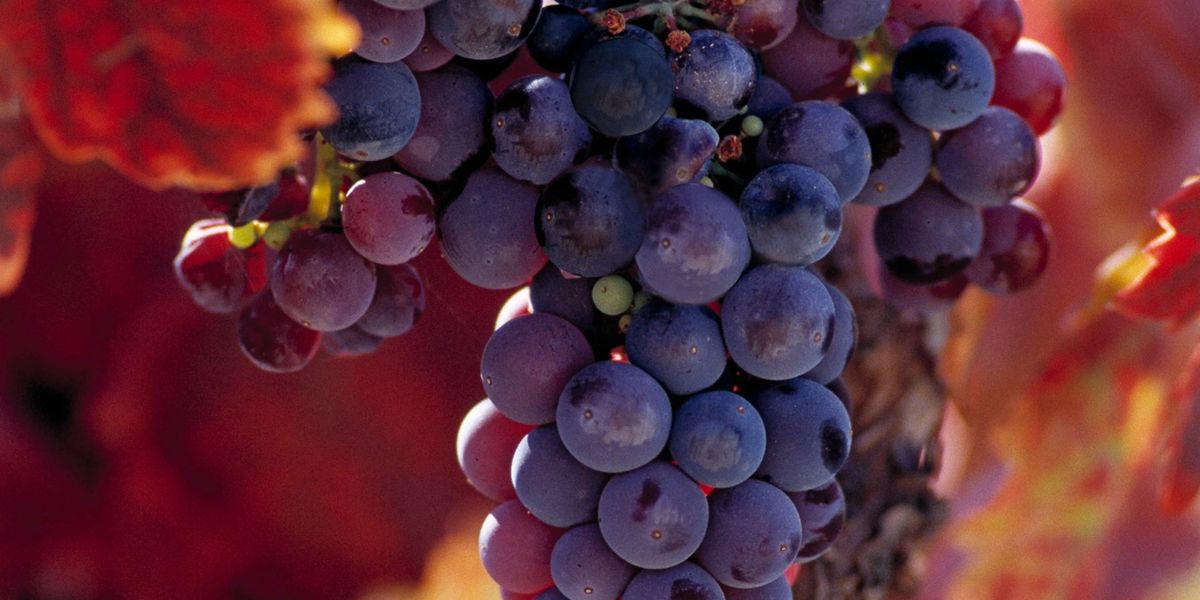
Merlot has an image problem it doesn't deserve. It's the most commonly blended red in the world, which means most people have been drinking it for years without realizing it, usually rounding out the edges of a Cabernet Sauvignon or a generic "red blend." On its own, Merlot ranges from simple, plush, drink-tonight bottles to some of the most expensive and age-worthy wines on earth. This guide covers what Merlot actually tastes like, which regions matter, how price tiers break down, how long it ages, and how to track a growing Merlot collection. For where it sits among other reds, see our guides to red wine varieties and red wine body styles.
Is Merlot a good wine for a cellar?
Yes, with real conditions attached: Pomerol and the better estates of right-bank Bordeaux produce some of the most age-worthy Merlot in the world, but the vast majority of Merlot on shelves is made to be opened within a year or two, not held. The grape itself isn't the deciding factor. Where it's grown, how it's made, and what tier it sits in matter far more than the fact that the label says Merlot. A $15 bottle from a warm-climate producer and a $150 bottle from Pomerol share a grape and little else in terms of what your cellar should expect from them.
What Merlot tastes like
Merlot is built around plum, black cherry, and cocoa, with softer, rounder tannin than Cabernet Sauvignon, which is why it's often described as more approachable young. Cooler sites and right-bank Bordeaux tend to add a savory, sometimes leafy or graphite edge alongside the fruit. Warmer regions like Napa and Chile push it toward riper black fruit, sometimes with a touch of vanilla or mocha from oak aging. Body-wise, Merlot generally sits in the medium to full range, fuller than Pinot Noir but usually a shade softer than Cabernet Sauvignon from the same vintage and region, which is exactly why the two blend so well together in Bordeaux.
The regions that matter
Bordeaux's right bank, built primarily on Merlot rather than Cabernet Sauvignon, is the natural starting point for any serious Merlot collection, but it's far from the only region worth a collector's attention.
Pomerol: The most prestigious Merlot-dominant appellation on Bordeaux's right bank. Its clay and iron-rich soil produces dense, velvety wines with real aging potential, and it's home to some of the most expensive Merlot-based wines made anywhere.
Saint-Émilion: Also on the right bank, and covers a much wider range of price points and styles than Pomerol, from everyday drinking Merlot to serious classified estates built for the cellar.
Napa Valley and California: Riper, fuller fruit, usually oaked, and generally far more approachable young than Bordeaux examples at a similar price.
Chile (Colchagua Valley): Reliable, plush, and affordable, and one of the best entry points into the grape for a new collector.
Washington State: An increasingly respected source of structured, age-worthy Merlot, often at a lower price than comparable Bordeaux.
Price tiers and what to buy now
Merlot spans a wider price range than most collectors assume, and knowing the tier tells you far more than the label alone.
Entry-level (roughly $15 to $30): Everyday Chile, California, or generic Bordeaux Merlot. Plush and ready to drink on release. Not built for the cellar.
Mid-tier (roughly $30 to $75): Named right-bank appellations outside the top classifications (broader Saint-Émilion, Lalande-de-Pomerol) or serious single-vineyard Washington State and California bottlings. Worth a few years of patience.
Collector tier (roughly $75 to $300): Classified Saint-Émilion and entry-level Pomerol. Built for a decade or more in the right cellar conditions.
Trophy tier ($300 and up): The handful of top Pomerol and Saint-Émilion estates that anchor the right bank's reputation. Rarely approachable young, and built for multi-decade aging in strong vintages.
If you're building out a Merlot section of your cellar right now, mid-tier and collector-tier right-bank bottles from a recent strong vintage offer the best balance of aging potential and value. Entry-level Merlot is fine for tonight, but it won't reward holding, and trophy-tier bottles are a long-term commitment more than a near-term purchase.
How long does Merlot age?
Entry-level and New World Merlot (Chile, most everyday California) drinks best within three to five years of the vintage. Mid-tier right-bank Bordeaux and serious Washington State or Napa examples can develop well for eight to twelve years. Top Pomerol and classified Saint-Émilion from a strong vintage can age for fifteen to twenty-five years or more. Our guide on when a wine is ready to drink covers how to judge that window across a mixed collection, not just Merlot.
What are Merlot's drink windows by tier?
Entry-level Merlot is best opened within two to three years of release, before the fruit starts to fade. Mid-tier bottles reward holding three to five years before opening, then drinking over the following five. Collector-tier Pomerol and Saint-Émilion are worth holding at least eight to ten years before the first bottle, then drinking across the decade after that. Trophy-tier bottles from strong vintages are often better held fifteen years or more before they show what they're capable of.
Tracking Merlot in InVintory
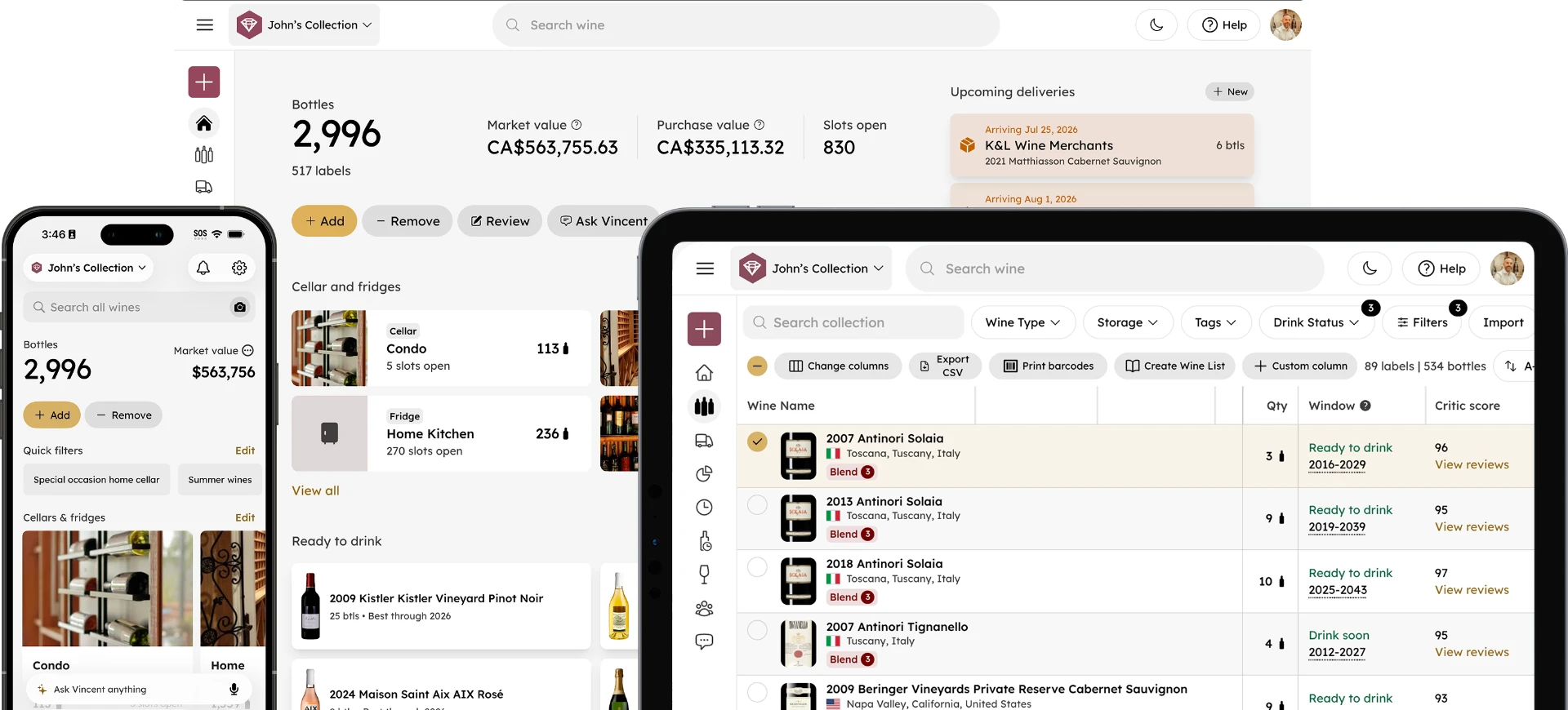
As a Merlot collection grows across these price tiers, InVintory's Collection Analytics tracks the real-time market value of every bottle automatically, sourced from institutional-grade fine wine data, so you know what that Pomerol you bought five years ago is actually worth today without checking it manually. Collection Analytics is part of InVintory's Premium and Elite plans. Our guide on which wines actually hold their value covers how to think about that across a full collection, not just Merlot.
Once you've got a few tiers of Merlot in the cellar, ask Vincent which one is ready to open tonight. He answers from your actual collection instead of guessing off the label.
Merlot rewards knowing exactly which tier is in your glass. Get that right, and the aging, the serving, and the "is this actually worth holding" question mostly answer themselves.
See what's included in Premium and Elite, where Collection Analytics and full drink-window tracking live.
Frequently Asked Questions
Is Merlot a dry wine?
Yes. Virtually all still Merlot is fermented fully dry, with no meaningful residual sugar. Its soft tannin and ripe fruit can read as sweetness to some tasters, but that's texture and fruit concentration, not actual sugar.
What is the difference between Merlot and Cabernet Sauvignon?
Merlot generally has softer tannin, a rounder mouthfeel, and riper, plummier fruit, while Cabernet Sauvignon has firmer tannin, higher acid, and typically needs more time in the cellar to soften and show its best. The two are also the classic Bordeaux blending partners, Left Bank estates lean on Cabernet Sauvignon for structure and blend in Merlot for fruit and roundness, which is part of why the two grapes get compared so often. Our Cabernet Sauvignon guide covers that grape in full.
Does Merlot need to be decanted?
Younger, entry-level Merlot rarely needs it. Older, tannic examples from Pomerol or Saint-Émilion, especially anything under ten years old, often benefit from thirty minutes to an hour of air. Our guide to decanting wine covers how to judge timing for a specific bottle.
What food pairs well with Merlot?
Merlot's soft tannin and plum-forward fruit make it a flexible pairing partner: roast chicken, grilled pork, mushroom dishes, and mild hard cheeses all work well. Bigger, more structured right-bank examples can handle richer dishes like braised beef or lamb.
Log your first bottle in InVintory and start tracking what it's actually worth.