Cabernet Sauvignon, the Complete Collector's Guide
Martine McLarney
August 10, 2026 · 6 min read
What makes Cabernet Sauvignon worth collecting?
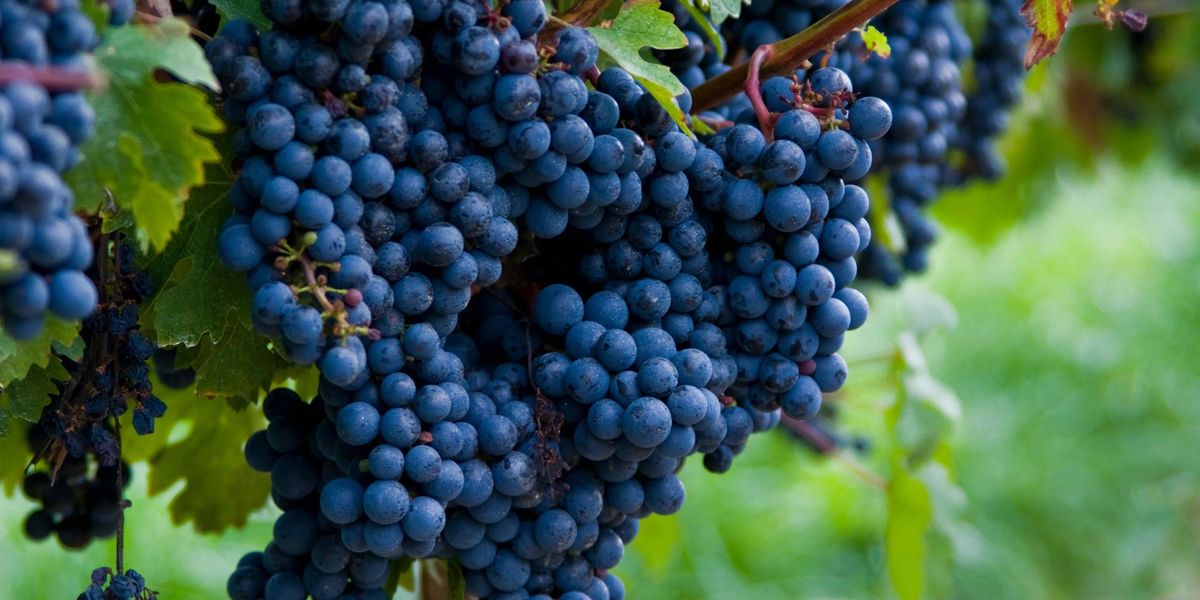
Cabernet Sauvignon combines structure, aging potential, and consistency across a wider range of price points than almost any other red variety, which is why it anchors more serious collections than any single grape. Its thick skins and naturally high tannin give it the backbone to hold up in a cellar for years, sometimes decades, while its firm structure and dark fruit character remain recognizable whether it comes from Napa, Bordeaux, or Chile.
How Region Shapes the Bottle
Napa Valley
Napa Cabernet tends toward ripe, dark fruit, with riper tannin and a more immediately approachable style than its Bordeaux counterparts, even in bottles built for long aging. Subregions within Napa (Oakville, Rutherford, Stags Leap District) each carry a distinct reputation, with Oakville generally considered the benchmark for structure and Rutherford known for its distinctive dusty tannin, often called "Rutherford dust."
Left Bank Bordeaux
Left Bank Bordeaux (Pauillac, Margaux, Saint-Julien) blends Cabernet Sauvignon with Merlot, Cabernet Franc, and other varieties, producing wines with firmer tannin and higher acidity than most Napa bottlings at a comparable price point. These wines are generally built for longer aging and often need more cellar time before they're approachable.
Coonawarra
Coonawarra, in South Australia, is known for its distinctive terra rossa soil and produces Cabernet with a notable eucalyptus and mint character alongside dark fruit. It tends to sit between Napa's ripeness and Bordeaux's structure, with a cooler-climate freshness that's become its calling card.
Maipo Valley
Chile's Maipo Valley produces Cabernet with dark fruit and a herbal, sometimes green-pepper edge, generally at a lower price point than Napa or Bordeaux for comparable quality. It's a strong entry point for collectors wanting to explore Cabernet's regional range without the price tag of the more established regions.
How Long Should You Age Cabernet Sauvignon?
Most top-producer bottles need 5 to 15 years, though this varies meaningfully by region and producer style. Napa Cabernet from a riper, more approachable house may drink well within 5 to 8 years, while a structured Left Bank Bordeaux from a strong vintage often needs a decade or more before its tannin resolves. Coonawarra and Maipo Cabernet generally sit in the middle, with drinking windows that open somewhat earlier than classic Bordeaux.
Why does vintage variation matter so much for Cabernet?
Cabernet Sauvignon is sensitive to weather during the growing season in a way that affects both how it tastes young and how long it needs to age. A vintage with a long, even growing season generally produces wines with riper tannin that need less time to soften, while a vintage with weather stress can produce firmer, more closed wines that need considerably longer in the cellar to come around.
This is also why two bottles from the same producer, a few vintages apart, can call for very different treatment in your cellar. Tracking vintage-specific drinking windows rather than applying one blanket rule to every bottle from a producer makes a real difference in whether you catch a wine at its best.
Buying Cabernet Sauvignon by Price Tier
Under $30
Look to Chile's Maipo Valley, and value-driven bottlings from Washington State, for approachable, well-made Cabernet without a long aging requirement.
$30 to $75
This range covers a wide swath of Napa's mid-tier producers and strong Bordeaux from a lesser-known chateau or a solid, non-classified estate, generally drinkable within 5 to 10 years.
$75 to $200
Established Napa cult producers and classified Bordeaux growth estates live here, generally built for longer aging and rewarding patience.
$200 and up
First-growth Bordeaux, Napa's most sought-after cult wines, and rare Coonawarra bottlings sit at this tier, almost always built for a decade or more in the cellar.
Pairing Cabernet Sauvignon With Food
Cabernet's tannin and dark fruit call for food with enough fat and protein to stand up to it. Red meat is the classic pairing for good reason, particularly grilled or roasted preparations that echo the wine's own bold character. Aged hard cheeses hold up well against Cabernet's structure too. Younger, more tannic bottles benefit most from a fattier cut of meat, since the fat softens the perception of tannin on the palate, while older, more resolved bottles have more room to pair with lighter preparations.
Building a Cabernet Vertical
A vertical, the same producer across multiple vintages, is one of the most rewarding ways to understand how Cabernet Sauvignon actually ages, since you're tasting the same wine at different points in its development rather than comparing different producers' styles. Start with three or four vintages spanning both strong and more challenging years from the same producer, and taste them side by side rather than months apart, so the differences are easier to isolate.
Keeping accurate records of what you're tasting and when matters more for a vertical than almost any other tasting format, since the whole point is comparing development across time.
Keeping a record of which pairings actually worked, alongside your tasting notes, turns this from a one-off dinner decision into a growing reference you can rely on for the next bottle from the same producer or region.
Tracking Your Cabernet Collection
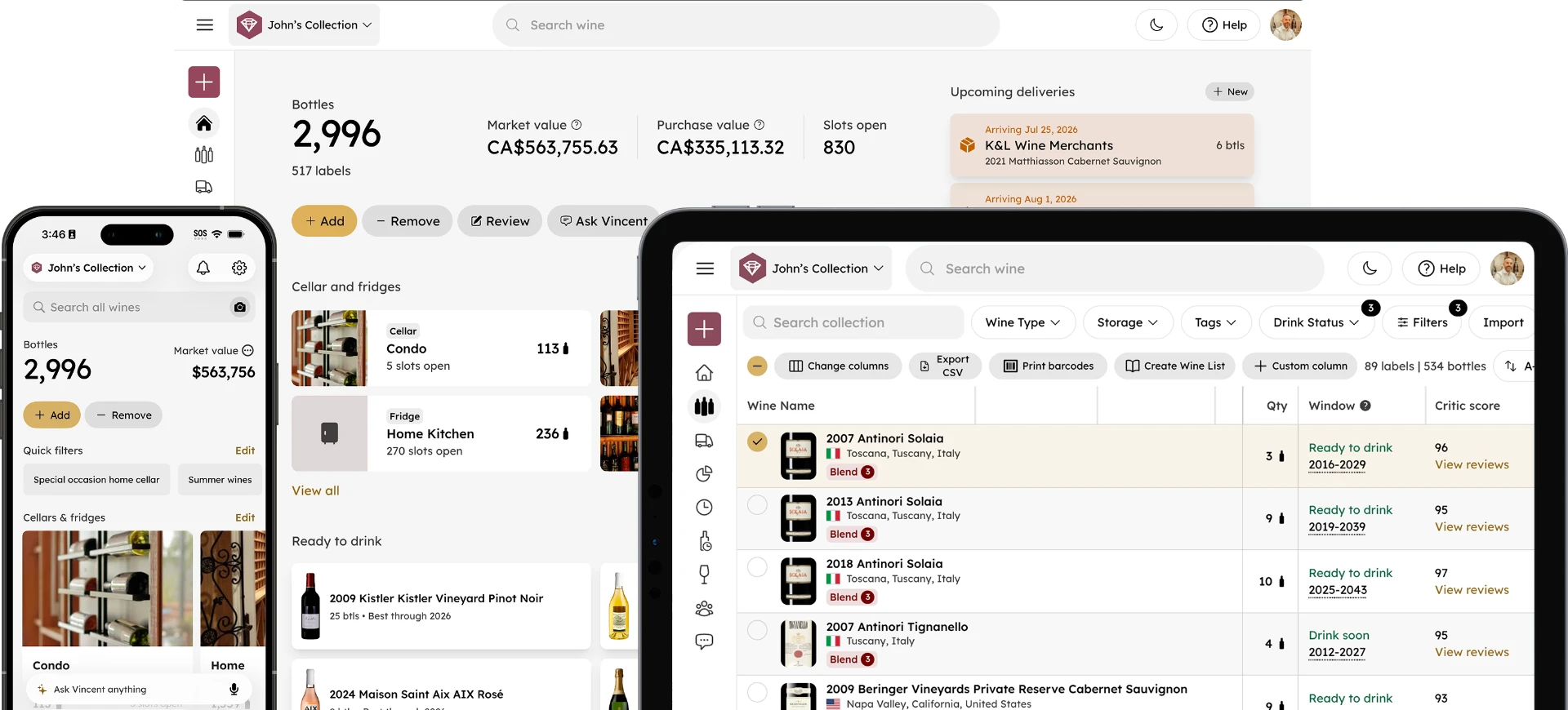
Cabernet's long aging windows and regional variation make it one of the harder varieties to track accurately by memory. Set a drink window for each bottle based on its specific region and vintage rather than a single rule for "Cabernet." InVintory's Ready to Drink feature surfaces bottles as they enter their window automatically, so a Coonawarra bottle ready at year eight and a Left Bank Bordeaux still needing another five years don't get treated the same way.
If you're planning a vertical or just want tailored recommendations for what to open next, Vincent can suggest pairings and picks based specifically on the Cabernet in your own cellar, not generic advice that assumes a bottle you don't own.
Track your Cabernet collection by region and vintage: ask Vincent what's ready to drink →
For a broader overview of Cabernet alongside the other major red varieties, see Red Wine Varieties Explained: A Collector's Guide. For cellar conditions that support long-term aging, see our wine storage temperature guide.
Cabernet Sauvignon rewards patience more consistently than almost any other variety, provided you're tracking the right timeline for the right bottle.
Ready to track your Cabernet collection by vintage and region?
FAQ
What's the difference between Napa and Bordeaux Cabernet Sauvignon?
Napa Cabernet tends to be riper and more immediately approachable, while Left Bank Bordeaux, which blends Cabernet with other varieties, generally has firmer tannin and needs longer aging before it's fully resolved.
Is Cabernet Sauvignon a good wine to start a cellar with?
Yes. Its aging potential and wide price range make it a strong foundation for a growing collection, with options at nearly every budget and drinking window.
How do I know when my Cabernet Sauvignon is ready to drink?
Track the drinking window for each specific bottle's producer, region, and vintage rather than applying one rule to all Cabernet. InVintory calculates this automatically and surfaces bottles as they enter their window.