How to Decant Wine: A Collector's Guide
Madeleine Cruickshank
August 18, 2026 · 6 min read
Should you decant wine?
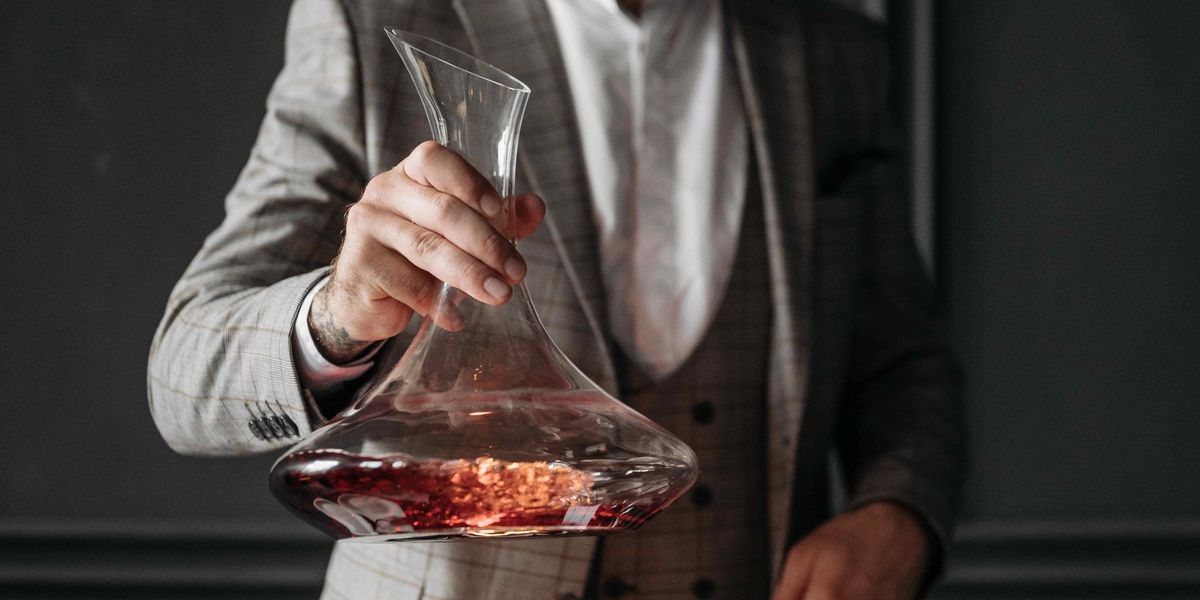
Decant young, tannic reds to soften them and older reds to separate sediment; most whites, rosés, and sparkling wines don't benefit from decanting. The two reasons to decant are functionally different: aeration for young, structured wines, and sediment separation for older ones, and knowing which reason applies to your bottle determines both whether to decant and for how long.
Which Wines Need Decanting?
Young, tannic reds (Cabernet Sauvignon, Nebbiolo, Syrah, and similar structured styles) benefit from aeration, which softens harsh tannin and lets the wine's aromatics open up faster than they would in the glass alone.
Older reds with visible sediment benefit from decanting for a different reason entirely: separating the clear wine from sediment that's settled in the bottle over years, so you're not left with a gritty, bitter last glass.
Most white wine, rosé, and sparkling wine don't need decanting. Their appeal is fresh fruit and acidity that aeration doesn't meaningfully improve, and sparkling wine specifically loses its bubbles if decanted, which defeats the point entirely.
Do you need to decant wine that has no sediment?
Not for sediment removal, no, but a young, tightly wound red can still benefit from the aeration a decant provides, even with nothing to filter out. In that case, decanting is purely about opening the wine up faster, not clarifying it.
How Long Should You Decant Wine?
How long to decant a young red?
Thirty minutes to two hours, depending on how tightly structured the wine is. A powerful, young Cabernet or Nebbiolo may want the full two hours, while a lighter-bodied young red needs closer to thirty minutes to avoid over-softening.
How long to decant an older red?
Often just enough time to separate the sediment, sometimes as little as fifteen to thirty minutes, since older wines can fade or lose character if left exposed to air for too long. The goal with an older bottle is gentle, brief aeration and clean separation, not a long open-air session.
Decanting Time by Style
Young Cabernet Sauvignon, Nebbiolo, and Syrah: one to two hours.
Young Pinot Noir and lighter-bodied reds: thirty minutes to one hour.
Aged reds with sediment (10+ years): fifteen to thirty minutes, primarily for separation rather than extended aeration.
Full-bodied white wine or orange wine: thirty minutes, if desired, though this is optional rather than standard practice.
Sparkling wine, delicate whites, and rosé: no decanting recommended.
How to Decant, Step by Step
Stand the bottle upright for several hours, ideally overnight, before decanting an older wine with sediment, so the sediment settles fully to the bottom rather than staying suspended throughout the liquid. Open the bottle carefully and pour slowly and steadily into the decanter, watching the neck of the bottle against a light source (a candle or a flashlight works well) so you can see the sediment approaching and stop pouring before it reaches the neck.
How do you decant a bottle with heavy sediment?
Stand the bottle upright well in advance, pour slowly and steadily against a light source, and stop as soon as you see sediment reach the shoulder of the bottle, leaving the last small amount of wine (and the sediment with it) behind rather than pouring it into the decanter.
For a young wine with no sediment concern, the process is simpler: just pour the full bottle into the decanter without the advance standing time or the careful light-watching.
A Note on Very Old, Fragile Bottles
Extremely old wines, several decades or more, sometimes need special handling: decant only right before serving rather than in advance, since some very old bottles fade quickly once exposed to air, and their fruit and aromatics can be more fragile than a wine's age alone would suggest. If you're opening something genuinely rare or old, it's worth having a plan and a backup bottle in mind, since these wines don't always behave predictably even when everything else about the process goes right.
Decanter vs. Aerator: Which Do You Actually Need?
A traditional decanter is the better choice for older wines with sediment and for anyone who wants the classic table presentation; a handheld aerator is the faster, more casual option for opening up a young wine quickly without dedicating time to a slower decant. If sediment separation matters at all, use a decanter, an aerator isn't built for that job. If you just want a young red to taste better faster on a weeknight, an aerator gets you most of the benefit in a fraction of the time.
Planning Decanting Around Your Drink Window
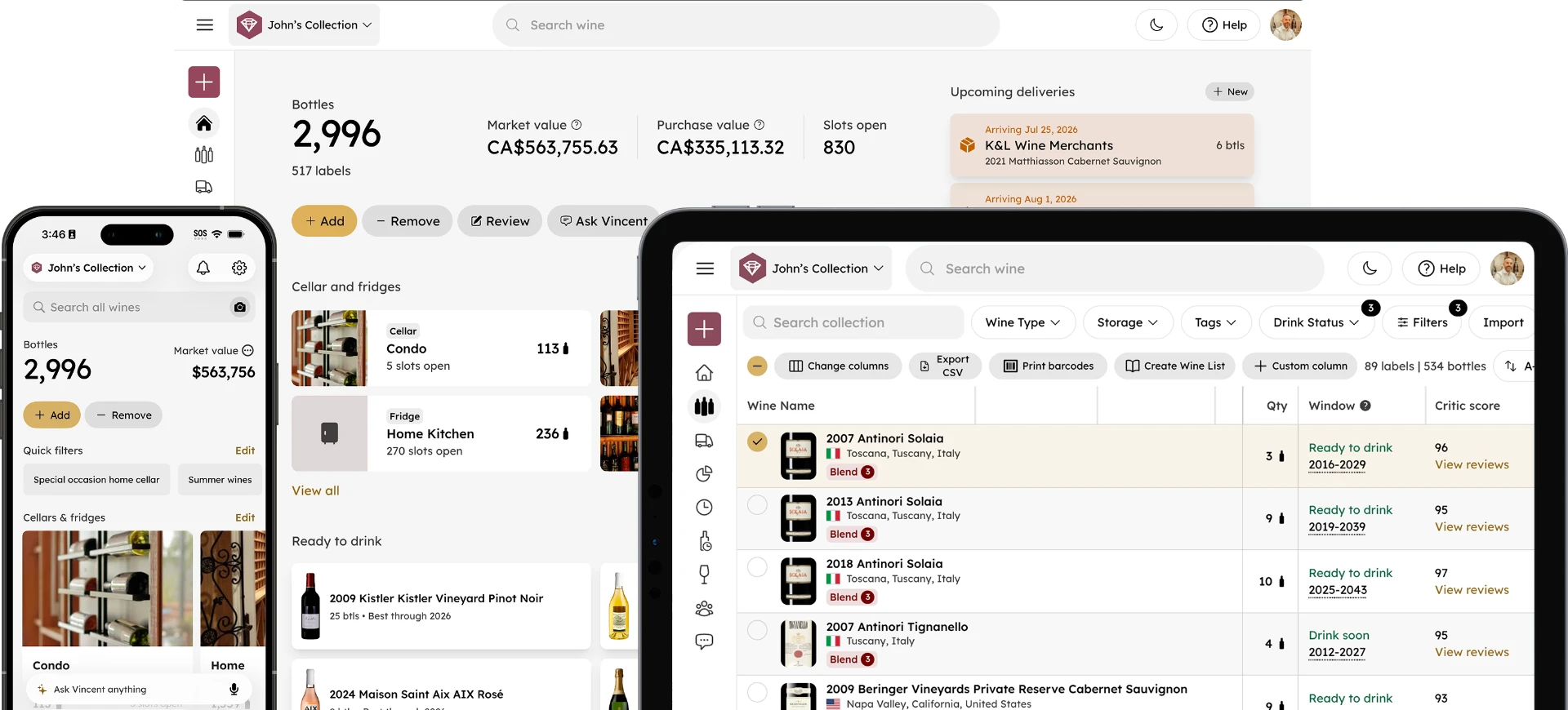
Knowing a bottle is within its drinking window is a separate question from knowing how to serve it once you've decided to open it. If you haven't already worked out whether tonight's bottle is actually at its peak, see our guide to when a wine is ready to drink, and for how InVintory surfaces what's ready automatically, see our Ready to Drink feature walkthrough. Once you know a bottle is ready, ask Vincent whether it's the kind of wine that benefits from decanting and roughly how long, based on its style and age.
Ask Vincent whether tonight's bottle needs decanting
Try InVintory's AI Sommelier →
For more on the glassware side of serving an older or more structured wine, see our guide to glassware for Cabernet and Pinot, and for more on Cabernet specifically, see our Cabernet Sauvignon guide. For a broader look at red wine styles generally, see our guide to red wine varieties.
Decanting isn't a formality. Done for the right reason, on the right bottle, it changes what you actually taste.
Ready to know exactly when and how to serve every bottle?
FAQ
Can you over-decant a wine?
Yes, particularly older, more delicate wines, which can lose fruit character and fade if left exposed to air for too long. Younger, more structured reds are far more forgiving of extended decanting time.
Do you need a special decanter, or does any container work?
Any clean glass container with a wide enough opening to pour into works functionally, though a proper decanter's shape is designed to maximize surface area for aeration, which does make a real difference for wines that benefit from it.
Should you decant wine you're planning to serve immediately versus over a few hours?
For wine served immediately, decant closer to serving time within the recommended window for its style. For wine served over a longer stretch, decanting earlier is fine, since the wine will continue to evolve gently in the decanter regardless of exactly when you pour it out.
Is it worth buying a decanter if I only drink wine occasionally?
If you occasionally open young, structured reds or aged bottles with sediment, yes, a basic decanter is inexpensive and makes a noticeable difference on exactly those bottles, even if you're not decanting every bottle you own.