Wine Serving Temperature Guide by Style
Martine McLarney
August 20, 2026 · 6 min read
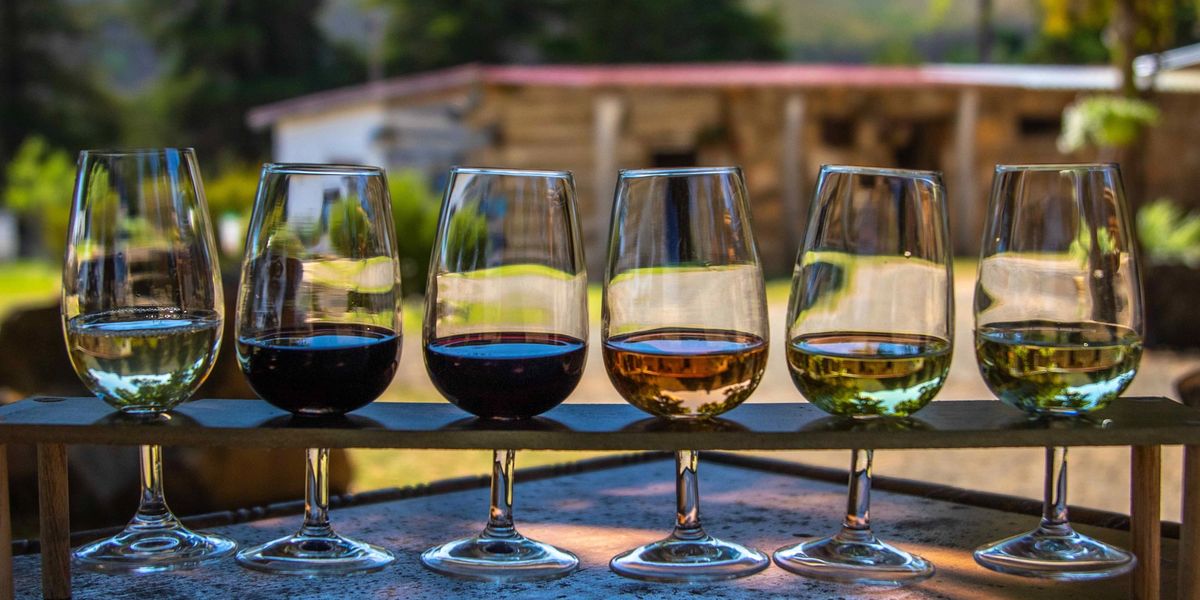
Pull a bottle straight from the cellar or the fridge and pour it right away, and you're probably serving it at the wrong temperature. Wine serving temperature is not the same question as wine storage temperature, and mixing the two up is the most common reason a wine tastes flat, harsh, or muted the moment it hits the glass.
Looking for long-term storage temperature instead? See our wine storage temperature guide for the myths, the science, and how to keep your collection stable over months and years. This guide covers the other half of the equation: what temperature to serve wine at the moment you actually open it.
Serving temperature by style, quick reference
Full-bodied reds (Cabernet Sauvignon, Syrah, Malbec, Nebbiolo, Bordeaux blends): serve at 60 to 65°F (16 to 18°C).
Light-bodied reds (Pinot Noir, Gamay, Grenache-based blends, lighter Sangiovese): serve at 55 to 60°F (13 to 16°C).
Full-bodied whites (oaked Chardonnay, white Rioja, Viognier): serve at 50 to 55°F (10 to 13°C).
Light and aromatic whites (Sauvignon Blanc, Pinot Grigio, unoaked Chardonnay, Riesling, Albarino): serve at 45 to 50°F (7 to 10°C).
Rose (dry and off-dry styles): serve at 45 to 50°F (7 to 10°C).
Sparkling wine (Champagne, Cava, Cremant, Prosecco): serve at 42 to 50°F (6 to 10°C), colder for Prosecco and other tank-method styles, warmer for complex traditional-method Champagne and Cava.
Dessert and fortified wine (Sauternes, ice wine, Port, sherry): serve at 45 to 65°F (7 to 18°C) depending on style, with sweet whites colder and fortified reds like Port warmer.
What temperature should wine be served at?
There's no single right answer because it depends on the wine, but every style has a range where it tastes best. Serve too far outside that range and you lose either aroma or structure, no matter how good the bottle is.
What is the ideal serving temperature for red wine?
Most red wines show best between 60 and 65°F (16 to 18°C), cooler than room temperature and warmer than fridge temperature. That range applies to full-bodied reds like Cabernet Sauvignon, Syrah, and Malbec, where the tannins and fruit need a bit of warmth to open up. Lighter reds like Pinot Noir, Gamay, and most Sangiovese-based wines actually taste better a few degrees cooler, closer to 55 to 60°F (13 to 16°C), since chilling them slightly tightens the fruit and keeps them from tasting flabby. For how body style specifically changes what a wine needs at the table, see wine serving temperature by style. If you collect big, structured reds, our Cabernet Sauvignon collector's guide covers how region and age affect what a bottle needs at the table, and serving temperature is part of getting that right.
What is the ideal serving temperature for white wine?
Full-bodied whites like oaked Chardonnay and white Rioja are best at 50 to 55°F (10 to 13°C), while lighter, more aromatic whites like Sauvignon Blanc, Pinot Grigio, and Riesling do better colder, around 45 to 50°F (7 to 10°C). The mistake most people make with white wine is serving it straight from the fridge at 38 to 40°F. That's colder than any white wine wants to be poured, and it mutes the fruit and aroma almost completely.
Should Sauvignon Blanc be served warm or cold?
Sauvignon Blanc should be served cold, at 45 to 50°F, colder than a full-bodied white like Chardonnay. Its citrus, herb, and grass aromatics fade quickly once the wine warms past that range, which is why it's usually the first white at a table to start tasting flat.
What about sparkling, rose, and dessert wine?
Sparkling wine is best served coldest of all, generally 42 to 45°F (6 to 7°C) for lighter styles like Prosecco, while richer traditional-method sparkling wines like Champagne and Cava can sit a touch warmer, up to about 50°F (10°C), to let their complexity show. Rose falls in a similar band to light whites, 45 to 50°F (7 to 10°C). Dessert and fortified wines vary more by style: sweet whites like Sauternes and ice wine want 45 to 50°F (7 to 10°C), while fortified wines like Port and sherry are usually served warmer, 55 to 65°F (13 to 18°C) depending on the specific style. For more on how sparkling wine categories differ and why that affects serving choices, see our sparkling wine types guide.
Why serving temperature changes what you taste
Temperature isn't a formality. It changes how much of the wine you can actually perceive, and getting it wrong hides what you paid for.
What happens if wine is served too warm?
Red wine served warmer than 65°F tastes flabby, boozy, and unbalanced, because heat makes alcohol more noticeable and flattens acidity. This happens most often with red wine left at room temperature in a warm house, especially in summer, where 72 to 75°F is common. At that temperature, alcohol vapor becomes more prominent and the wine can taste hot and shapeless, even if it's well made. If you're dealing with a genuinely warm room rather than a few degrees over target, our guide on chilling red wine in summer walks through the technique for bringing reds back into range without over-chilling them.
What happens if wine is served too cold?
Wine served colder than about 45°F tastes muted and closed, because cold suppresses both aroma and flavor, and it can make tannins and acidity taste harsher than they really are. This is the more common mistake, especially with whites and sparkling wine served straight from the back of the fridge at 35 to 38°F. You're not tasting a flawed wine at that point, you're tasting a wine that hasn't been given the chance to show anything. The fix is almost always to let it warm up for a few minutes before pouring, not to open a different bottle.
How to hit the right temperature fast
You rarely have hours of lead time before serving, so the practical question is how fast you can move a bottle into range.
How long does it take to chill a bottle?
A standard refrigerator takes about two to three hours to bring a room-temperature bottle down to white wine serving temperature, while an ice water bath does the same job in 15 to 20 minutes. A dry ice bucket alone, without water, is slower and less even. For the fastest option, 8 to 10 minutes in the freezer will chill a bottle significantly, but it's genuinely risky: forget it for even 20 more minutes and you risk a cracked bottle or a cork pushed out by expanding wine. If you're pulling a red toward cooler serving temperature rather than starting a white from scratch, 15 to 30 minutes in the fridge or 5 to 10 minutes in an ice water bath is usually enough, which is the same approach covered in more depth in our guide to chilling red wine properly.
To warm a wine that's too cold, there's no shortcut worth taking. Cupping the glass in your hands or letting the bottle sit at room temperature for 10 to 15 minutes works fine. Warm water baths and microwaves are not worth the risk of uneven heating.
Serving temperature vs storage temperature, the difference
These are two different questions and confusing them is where most serving mistakes start. Storage temperature is about keeping wine stable for months or years, ideally a consistent 55°F, avoiding swings and heat exposure that age wine prematurely or damage it outright. Serving temperature is about the few minutes before you pour, adjusting a bottle from its storage temperature to whatever range lets that specific style show its best.
A wine correctly stored at 55°F is already close to ideal serving temperature for full-bodied reds, needs a few minutes of warming for nothing, and needs real chilling time to reach white or sparkling wine range. That's the whole relationship: storage temperature is where a bottle lives, serving temperature is where it needs to be for the ten minutes it's actually in your glass. For the full picture on keeping your collection stable long term, including the myths around humidity, light, and vibration, read our wine storage temperature guide.
Logging serving notes in InVintory
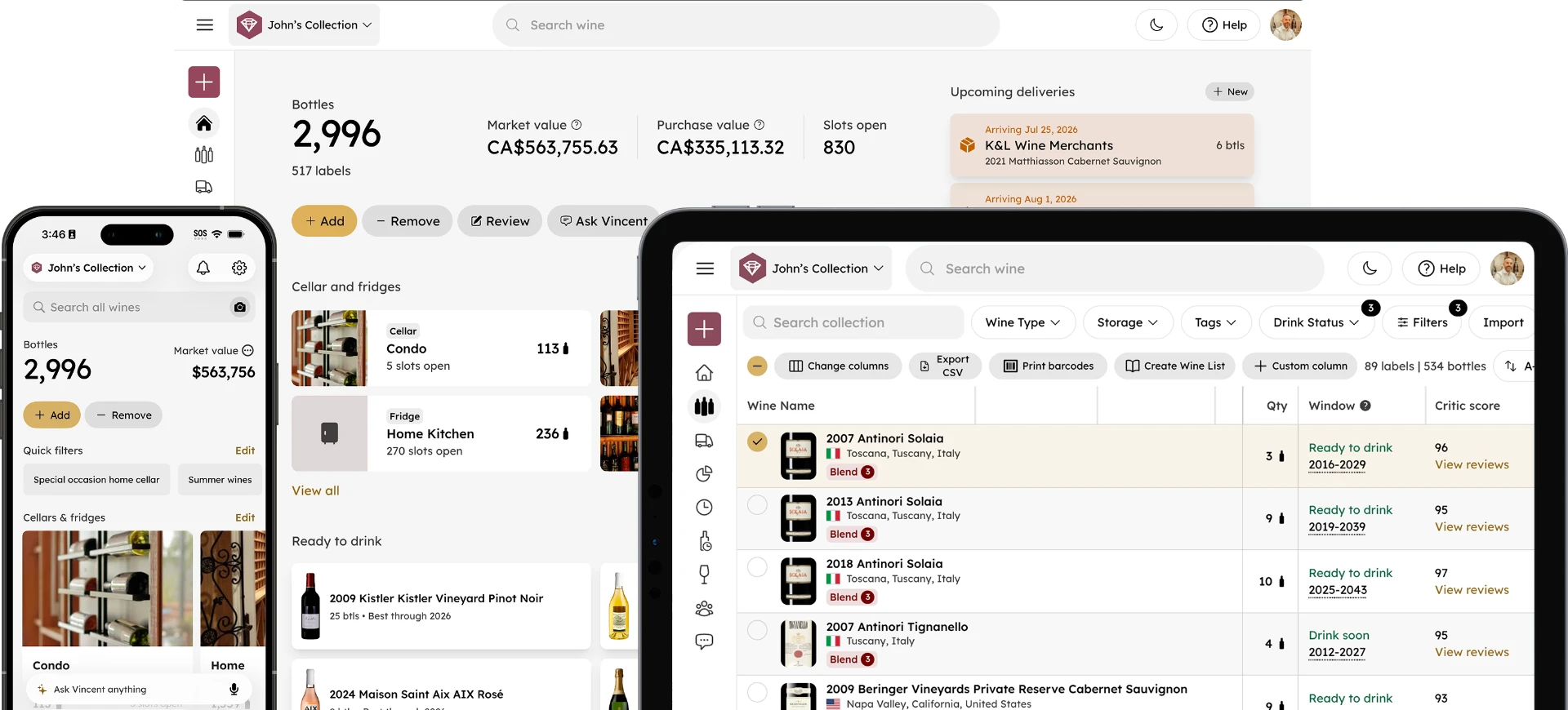
Once you've figured out the right serving temperature for a bottle, it's worth writing down what actually worked, especially if you buy the same producer or region regularly. InVintory lets you attach tasting and serving notes directly to each bottle in your collection, so the next bottle of the same wine doesn't require redoing the guesswork. Combined with the app's automatic drink window calculations under Ready to Drink, you can see at a glance which bottles are not just aged into their window but ready to be pulled and served tonight. For more on how that drink window feature works, see which wines are ready to drink right now.
If you're not sure what a specific bottle needs, Vincent, InVintory's AI Sommelier, can answer that question directly from your own collection, including serving suggestions and food pairings for the bottle you're about to open, not generic advice pulled from nowhere. Vincent is available on Premium and Elite.
Ask Vincent how to serve tonight's bottle
On Premium and Elite, VinLocate also shows you the visual bottle location for anything in your cellar, so once you've decided what to serve, finding the actual bottle doesn't mean digging through three racks first. Log the serving note from your phone in the moment, or from the InVintory web app later if you're at a desk.
Wine serving temperature is a small window of time and a fairly narrow band of degrees, but it's the difference between a bottle that shows what you paid for and one that doesn't. Get the range right for the style in the glass, chill or warm it in the minutes you actually have, and write down what worked so you're not guessing next time.
Start tracking your collection and serving notes free
FAQ
What temperature should red wine be served at?
Most red wine should be served between 60 and 65°F (16 to 18°C) for full-bodied styles, or 55 to 60°F (13 to 16°C) for lighter reds like Pinot Noir and Gamay. Both ranges are cooler than typical room temperature, which runs 70°F or higher in most homes.
What temperature should white wine be served at?
Full-bodied whites are best at 50 to 55°F (10 to 13°C), while lighter, more aromatic whites are best at 45 to 50°F (7 to 10°C). Straight-from-the-fridge temperature, usually 38°F or lower, is colder than any white wine wants to be poured.
Is it OK to put wine in the freezer to chill it fast?
Yes, for 8 to 10 minutes as a fast option, but it's risky beyond that window because the wine can freeze, expand, and push the cork out or crack the bottle. An ice water bath is nearly as fast and doesn't carry that risk.
Does serving temperature matter as much as storage temperature?
They matter for different reasons and neither replaces the other. Storage temperature protects the wine over months or years, while serving temperature determines how good it tastes in the ten minutes you're actually drinking it, so both are worth getting right.
How much does serving temperature actually change the taste of wine?
Enough to change your impression of the entire bottle. Serving too warm emphasizes alcohol and flattens acidity, while serving too cold mutes aroma and flavor and can make tannins taste harsher than they are, so the same wine can taste noticeably different a few degrees apart.