How to Enjoy Red Wine in Summer
Madeleine Cruickshank
July 17, 2026 · 6 min read
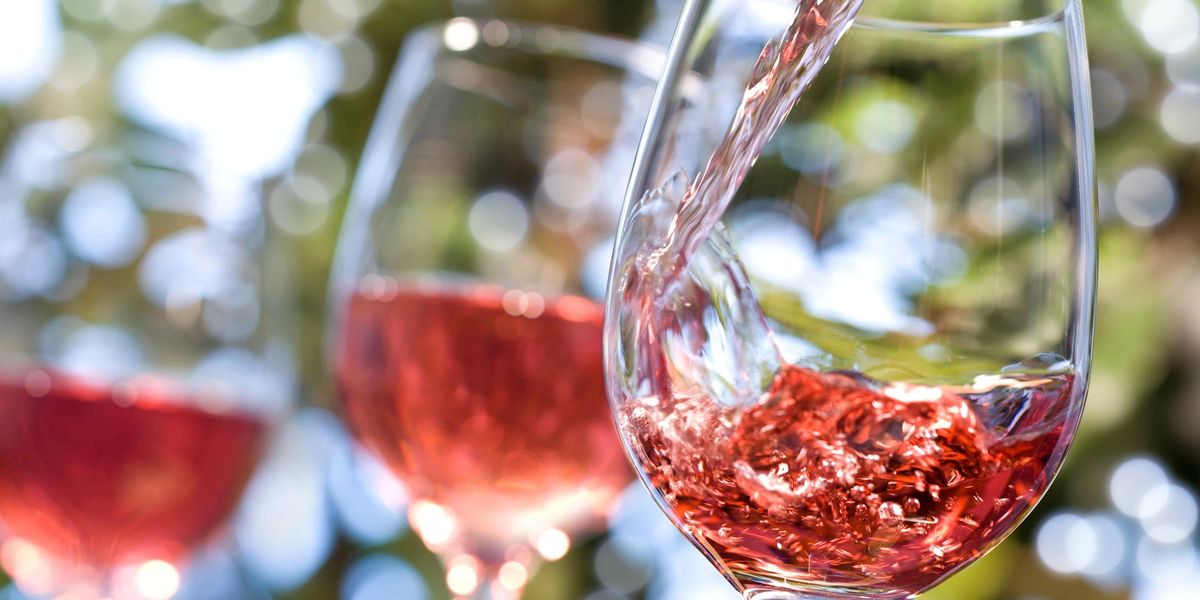
Red wine doesn't have to sit out once the temperature climbs. The trick is picking the right bottles and serving them slightly cooler than you would in winter. Here's how to do both, plus which reds actually work at a summer table.
Can you drink red wine in summer?
Yes, and many reds are better with a light chill in warm weather. The old "always serve red at room temperature" rule assumes a cool European cellar around 55°F to 65°F, not a warm patio in July. A brief stint in the fridge brings lighter, fruit-forward reds back into that ideal range.
Which Reds Actually Work in Summer
Not every red benefits from a chill. The wines that do tend to share a few traits: lighter body, lower tannin, and bright acidity. Heavy, tannic reds built for long aging can turn hard and bitter when served too cold, since chilling accentuates tannin rather than softening it.
Gamay (Beaujolais)
Widely considered the standard-bearer for chillable reds. Light body, juicy red fruit, and naturally high acidity make it taste more like a fuller-bodied rosé once chilled.
Pinot Noir
Delicate and thin-skinned, Pinot Noir handles a chill gracefully across almost any region it's grown in. A brief chill sharpens its cherry and red-berry notes without flattening its aromatics.
Grenache, Cinsault, and Frappato
All three are lighter-bodied Mediterranean varieties with soft tannins and juicy fruit, making them reliable picks for warm-weather drinking, often served alongside grilled or Mediterranean-style food.
Lighter Sangiovese and Valpolicella
Not every Sangiovese or Valpolicella is built the same way, but the lighter, fresher styles (rather than aged Riserva bottlings) take well to a chill and pair naturally with summer pasta and grilled dishes.
Chillable Zinfandel, Merlot, and GSM blends
Slightly bolder than the others on this list, but still approachable with a short chill if they're on the fruitier, less oak-driven side.
If you're unsure whether a specific bottle in your own collection is a good candidate, a lighter color in the glass and a young vintage are both reasonable hints that it will benefit from a chill.
How to Chill Red Wine Properly
Aim for 50°F to 60°F, noticeably cooler than typical red wine serving temperature but well short of a fully chilled white. Lighter reds like Gamay and Cinsault do well toward the cooler end of that range; slightly bolder reds like Grenache blends do better toward the warmer end.
Fifteen to thirty minutes in a standard refrigerator is usually enough. Longer than that and you risk overshooting into "too cold," which mutes fruit and aroma rather than sharpening it.
An ice-and-water bath works faster, generally five to ten minutes, if you're pressed for time or don't want to tie up fridge space during a gathering.
If a chilled red tastes too tight or closed off right out of the fridge, let it sit in the glass for a few minutes. Reds often open up quickly once poured, even cold.
Crowd-Friendly Reds for Summer Dishes
Chillable reds tend to be genuinely food-friendly at a summer table, in part because their brighter acidity holds up well against grilled and smoked flavors that can overwhelm a heavier wine.
Grilled burgers and sausages pair naturally with a chilled Gamay or a lighter Zinfandel blend, both of which have enough fruit to stand up to char without competing with it.
Grilled chicken and lighter barbecue works well with Pinot Noir or a Grenache-based blend, especially with a sweeter glaze or a fruit-forward sauce.
Charcuterie and picnic spreads are a natural match for Frappato or Cinsault, both light enough to not overpower cured meats and soft cheeses.
Grilled vegetables and summer pasta pair well with lighter Sangiovese or Valpolicella, echoing the same brightness on the plate and in the glass.
For a broader look at building a full summer menu and hosting outdoors, see our summer wine hosting guide, which covers serving temperature management, tasting flights, and table presentation in more depth.
Building a Summer Reds Shortlist in Your Own Collection
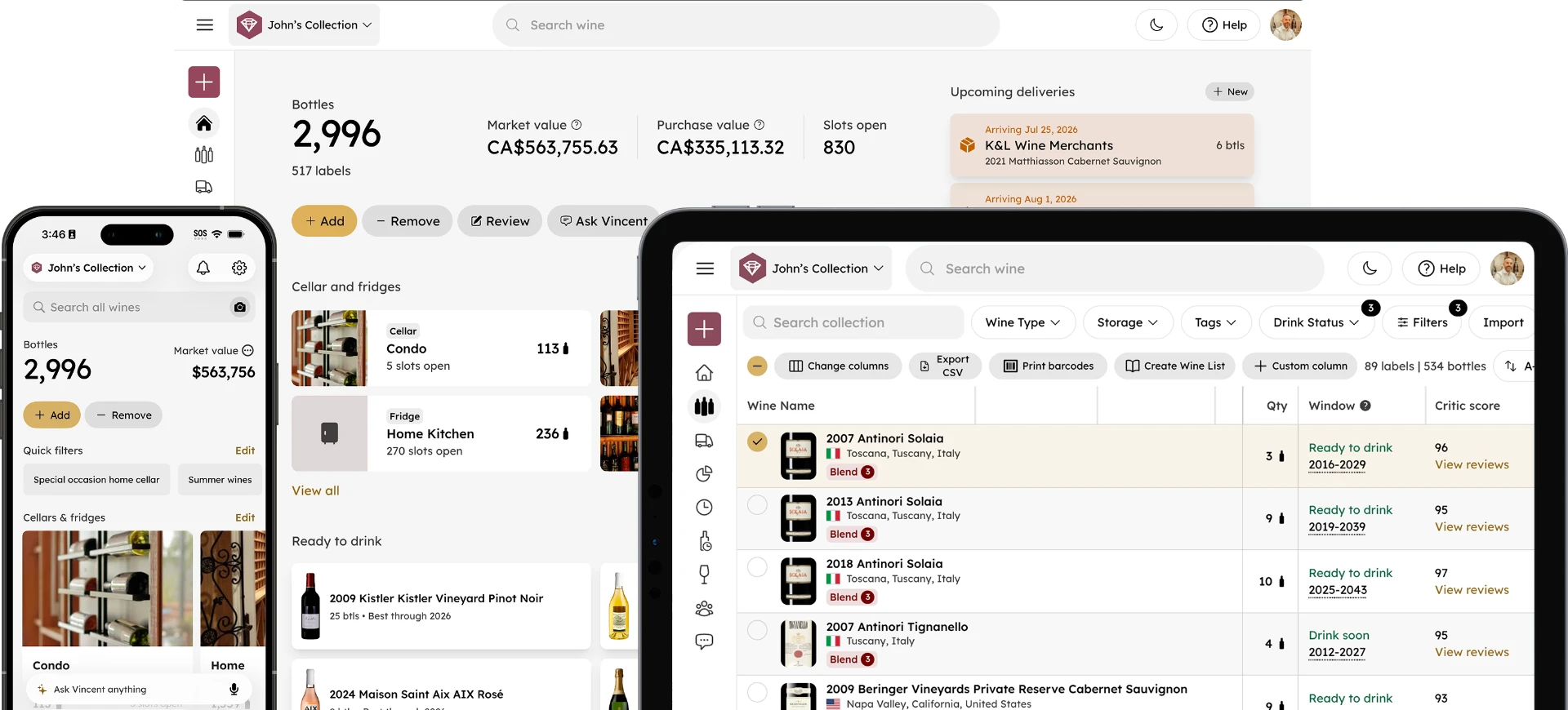
Rather than guessing which bottles in your cellar are good chilling candidates every time, it's worth building a standing shortlist once. InVintory supports this directly: save a search for lighter, food-friendly reds as a Quick Filter, and it shows up as a one-tap shortcut labeled something like "Summer wines" right on your home screen, instead of a search you rebuild from scratch each time.
Once you've tagged your summer reds, VinLocate shows you exactly where each one sits in your cellar or wine fridge, down to the specific rack, row, and slot, so pulling three or four bottles before a barbecue doesn't turn into a search through the whole collection. For a full walkthrough of setting up storage this way, see our guide to organizing a wine collection.
Keep Your Chilling Candidates Properly Stored Beforehand
A red that's a great chilling candidate on paper won't taste right if it's been sitting somewhere too warm before you even get to the fridge. If your wine fridge has been struggling to keep up during a heat wave, check out our guide to wine storage in summer heat for what to watch for. If you're shopping for a dedicated unit to keep lighter reds properly cool year-round, our buying guide to the best wine fridges for collectors is a good place to start.
Know What's Ready to Drink Before You Chill It
Not every red benefits from age, and some of the best chilling candidates are meant to be enjoyed young rather than cellared. InVintory's Ready to Drink feature surfaces every bottle in your collection currently within its optimal drinking window, so you're not accidentally chilling down something that would be better served warmer, or holding back a bottle that's actually at its peak right now.
For more on how drinking windows work across different red wine styles, see our guide to the types of red wine and how to track them, and our full breakdown of the Ready to Drink feature.
A Few Reds to Leave Alone
Not every bottle deserves the fridge treatment. Heavily tannic, full-bodied reds built for long aging, think a structured Cabernet Sauvignon or an aged Barolo, tend to taste harder and more astringent when chilled rather than better. Save those for cooler evenings or let them sit at cellar temperature even in summer.
Summer doesn't mean putting your reds away. It just means knowing which ones want a few minutes in the fridge first.
Ready to build your own summer reds shortlist? Set up a Quick Filter in InVintory →
FAQ
What temperature should red wine be served at in summer?
Aim for 50°F to 60°F for lighter, chillable reds, cooler than typical red wine serving temperature but not as cold as a white. Bolder reds sit better toward the warmer end of that range.
How long should I chill a red wine before serving?
Fifteen to thirty minutes in a standard refrigerator is usually enough. An ice-and-water bath works faster, typically five to ten minutes.
What's the best all-around chillable red for someone new to the idea?
Gamay, most commonly found as Beaujolais, is the easiest starting point. It's widely available, inexpensive relative to its quality, and responds to chilling more predictably than most other red varieties.
Should I chill a full-bodied red like Cabernet Sauvignon in summer?
Generally no. Heavier tannic reds tend to taste harder and more astringent when served too cold. If it's genuinely too warm to enjoy, a brief five-minute chill can take the edge off without overcorrecting.