Summer Wine Hosting: A Guide for Collectors
Madeleine Cruickshank
July 9, 2026 · 6 min read
Summer hosting season means backyard dinners, poolside pours, and more requests for wine recommendations than the rest of the year combined. If you have a real collection to pull from, the challenge isn't finding something good to serve. It's deciding what to open, serving it properly in the heat, and keeping track of it once you have.
What wines work best for summer hosting?
Lighter, higher-acid wines tend to work best in warm weather: crisp whites, dry rosé, and lighter reds served slightly cooler than usual. Save fuller-bodied reds for smaller, more focused dinners rather than large outdoor gatherings.
Choosing What to Serve
For backyard dinners and barbecues, look for wines with enough acidity to cut through grilled and smoked flavors. Sauvignon Blanc and dry rosé pair well with seafood and lighter fare. A lighter-bodied red, served slightly cool, works for burgers and grilled meats without overwhelming the meal.
For a seated dinner party, you have more room to open something from deeper in the collection, since you control the pacing and can talk through the bottle with guests.
For a larger gathering where you're pouring for a crowd, consider a "house pour" approach: pick two or three reliable bottles you can serve throughout the night, and save anything more special for a smaller moment later in the evening.
Serving Wine Properly Outdoors
Outdoor summer service comes with its own set of problems that a dining room never has: heat, direct sun, and no easy way to keep a bottle cold once it's poured.
Chill more aggressively than you think you need to
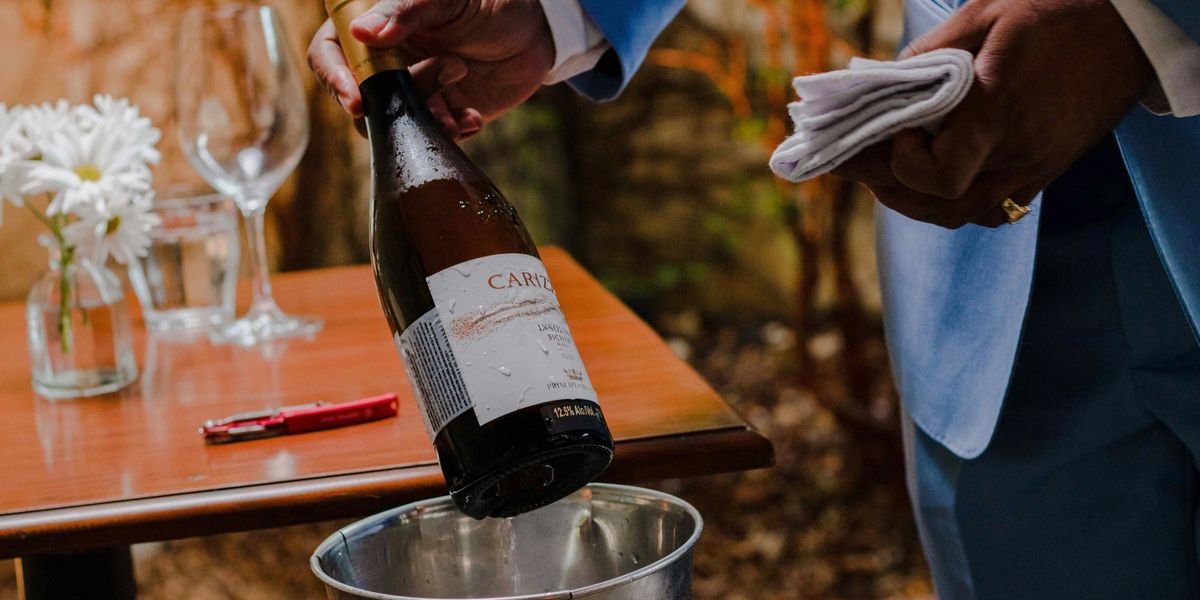
A wine that's perfectly cool going into an ice bucket will warm up fast in direct sun or humid air. Plan to keep whites and rosé in an ice-and-water bath throughout service, not just before the first pour.
Use an insulated sleeve or bucket at the table
A bottle sitting on a warm patio table for twenty minutes can climb several degrees, which is enough to flatten the acidity that made it refreshing in the first place.
Pour smaller amounts more often
Do this instead of filling glasses to a standard restaurant pour. Wine warms in the glass faster outdoors, so smaller, more frequent pours keep each glass tasting the way it should.
Watch corks in the heat
A bottle that's been sitting in a hot car or on a sunny counter can push slightly on the cork from internal pressure. If a cork comes out unusually easily or with resistance that feels off, it's worth a quick taste check before serving it to guests.
Hosting a Guided Tasting Flight
If you want something a little more structured than "here's what we're drinking," a small tasting flight works well for a summer gathering, especially outdoors where people are already inclined to linger. Pour small measures of four to six wines across a range of styles, whites, rosé, and a couple of lighter reds, and let guests taste through them side by side.
This works particularly well as a way to use bottles you've been meaning to open but haven't found the right occasion for. A flight format gives every bottle a moment without committing a full pour to something you're not sure will land with the group.
Building a Go-To Summer List
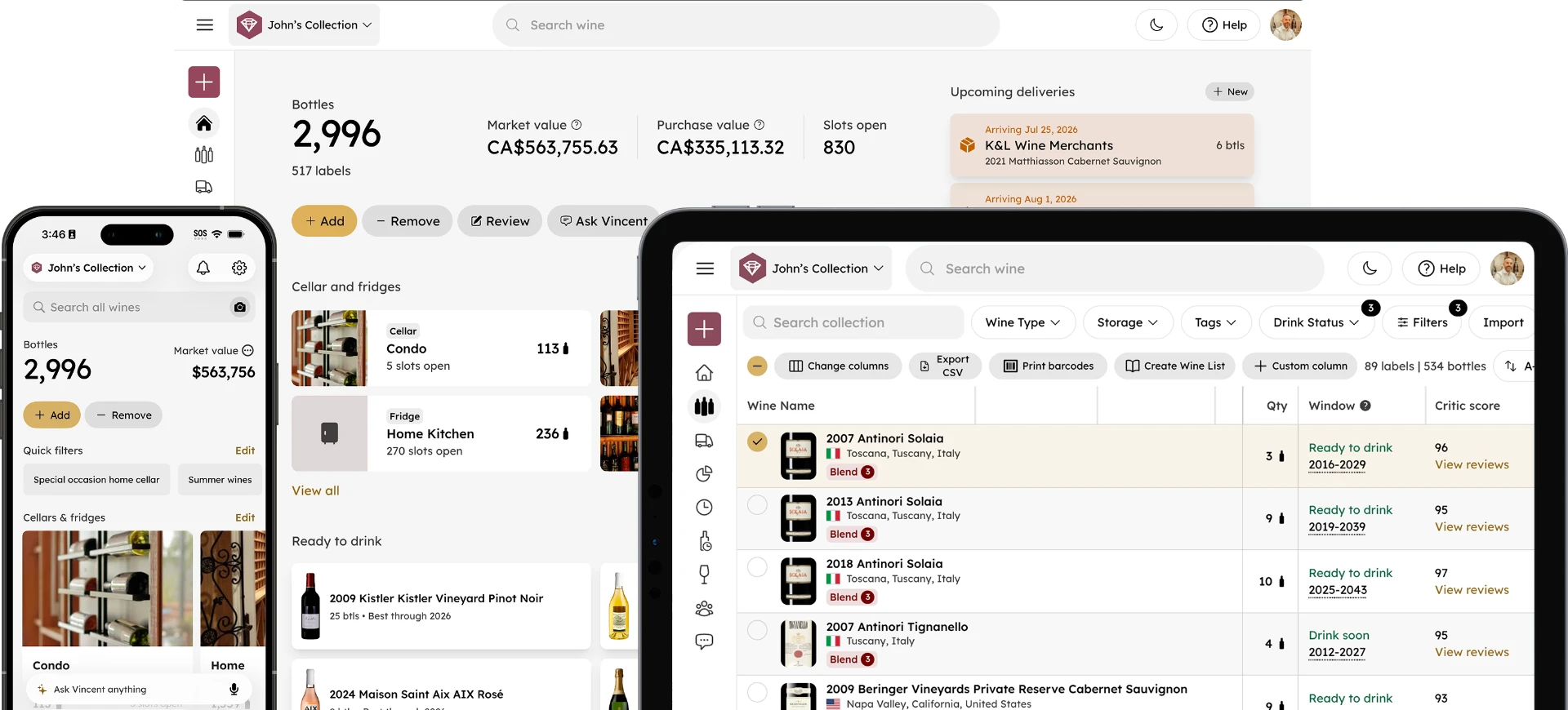
Rather than deciding what to serve every time from scratch, build a standing shortlist of bottles from your own collection that you know work for warm-weather hosting. InVintory's Saved Lists feature lets you create a custom list, such as "Summer Hosting" or "Backyard Dinners," and pull from it whenever you're planning a gathering. You can also save it as a quick filter on your home screen, so it's one tap away instead of a fresh search every time.
How do you decide what's actually ready to drink tonight?
Rather than guessing, check your collection's drinking windows. InVintory calculates an optimal drinking window for every bottle automatically, and surfaces everything currently ready to drink on your home screen, so you're not opening something too young or past its peak.
Presenting What You Serve
If you're hosting a slightly more formal gathering, or want to give guests context on what they're drinking, InVintory's Restaurant-Style Wine List export lets you generate a clean, formatted list from your own collection. It's a small touch that works well for a dinner party or a tasting-style gathering with friends.
Proper table service matters too, even at a casual outdoor dinner. Present the bottle, open it at the table rather than in the kitchen if the occasion calls for it, and give the cork or a small taste to whoever is hosting before pouring for the table. It's a small ritual, but it signals that the bottle was chosen deliberately rather than grabbed at random.
Ask Before You Guess
If you're not sure what pairs with what you're grilling, Vincent, InVintory's AI wine assistant, can suggest pairings based specifically on what's actually in your collection, rather than generic pairing advice that assumes you own something you don't.
Managing Leftover Open Bottles in Summer Heat
Summer gatherings often mean multiple open bottles at once, and heat accelerates how quickly an open bottle starts to fade. A wine that might hold up for two or three days indoors in cooler months can taste noticeably flatter after a single warm evening outside.
If you're not going to finish a bottle the same night, reseal it and move it back to proper storage as soon as the gathering winds down, rather than leaving it on the counter overnight. For whites and rosé, refrigeration slows the process considerably. For reds, a cool, dark spot works, though they'll still fade faster in summer than in winter.
After the Gathering
Once the night is over, update your collection so your records stay accurate. Mark bottles as consumed directly from VinLocate, and any bottle you particularly loved (or didn't) can get a quick tasting note while it's still fresh in mind. That small habit is what makes your "go-to summer list" better every year instead of staying static.
Ready to build your own summer hosting list? Get started with InVintory free or see Premium and Elite plans.
FAQ
What wine should I bring to a summer barbecue if I'm not hosting?
A chilled dry rosé or a light, low-tannin red are safe, crowd-pleasing choices that work with most grilled food and don't need much decanting time. For further learning, here’s a complete guide into the world’s best rosé wine, and a deep dive into the red wine varieties to consider adding to your your collection.
How far in advance should I chill wine for outdoor summer hosting?
Whites and rosé generally need about two to three hours in a standard refrigerator, or roughly 20 minutes in an ice-and-water bath. Reds served slightly cool need less time, often just 10 to 15 minutes.
How can I keep track of what I served at past gatherings?
Tagging bottles with an occasion (for example, "July 4th dinner") in your collection tracking app makes it easy to look back at what worked well for a specific type of gathering.
How many wines should I include in a summer tasting flight?
Four to six pours is usually the sweet spot. Fewer than that feels thin for a "flight," and more becomes hard for guests to compare and remember, especially outdoors with other distractions.