White Wine Varieties Explained: A Collector's Guide
Madeleine Cruickshank
June 18, 2026 · 5 min read
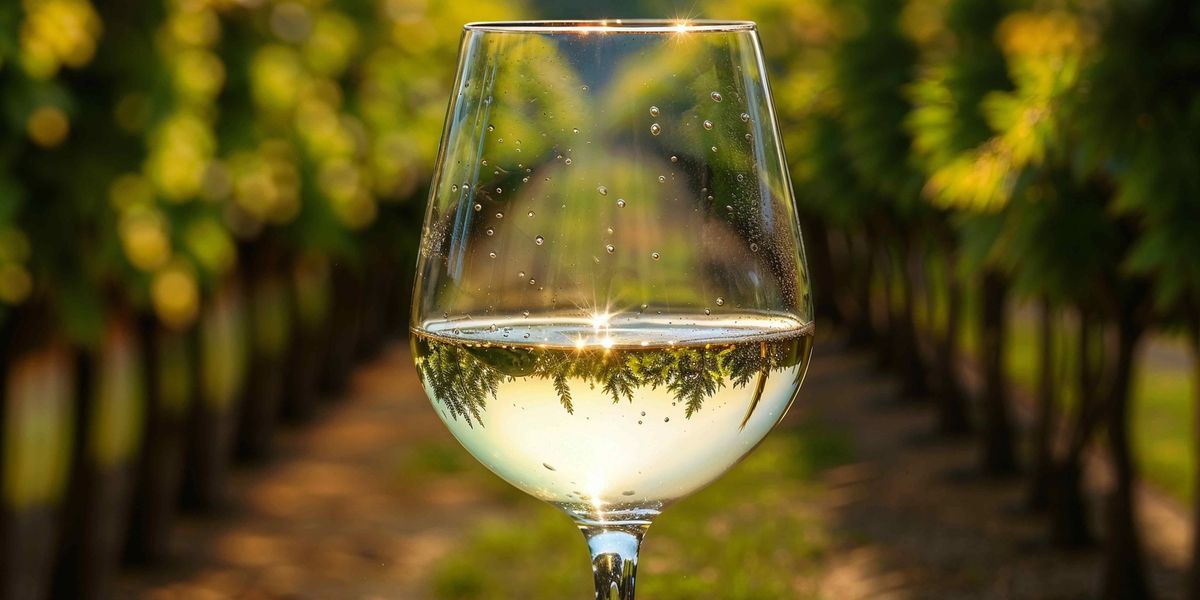
White wine is more varied and more complex than its reputation suggests. From bone-dry mineral Chablis to richly textured Burgundy Chardonnay to decades-aging German Riesling, the range of what white wine can be is enormous, and the most collectible whites are as age-worthy and investment-worthy as the finest reds.
This guide covers the essential white wine varieties every collector should understand, what defines each one, and how to get the most out of them in your cellar.
What Is White Wine?
How is white wine made?
White wines use lighter grapes, and the skins are not included in the fermentation process. While the grapes used in white wine are typically green or yellowish, the pulp is colorless. When the grapes are crushed, some of the juice comes into contact with the skin of the grape, which gives the wine its signature clear, slightly yellow look.
The absence of extended skin contact means white wines typically have less tannin than reds, which is why they feel lighter and crisper in the glass. However, winemaking choices (particularly oak aging and malolactic fermentation) can add texture, richness, and complexity that make the finest whites as layered as any red.
The Essential White Wine Varieties
What are the most important white wine varieties for collectors?
Chardonnay
Chardonnay is the most popular white wine in the United States. Its creamy texture and fruit-forward flavors come from malolactic fermentation, which converts malic acid into a gentler lactic acid. Unoaked Chardonnays are crisp and medium-bodied, while oaked bottles are fuller-bodied with notes of vanilla and toasted oak.
Burgundy is the benchmark for serious Chardonnay collectors. Chablis, Puligny-Montrachet, and Meursault represent different expressions of the same grape, from tightly mineral to rich and buttery, and the top premiers and grands crus age for 10 to 20 years. California, Australia, and New Zealand also produce compelling Chardonnay across a wide range of styles and price points.
Drinking window: Entry-level Chardonnay drinks best within three years. Top White Burgundy rewards 8 to 20 years of patience.
Sauvignon Blanc
Sauvignon Blanc offers herbaceous, citrus, and sometimes tropical scents over a dry, crisp, and thirst-quenching palate. It's one of the most immediately appealing white varieties; aromatic, food-friendly, and rarely disappointing even at modest price points.
Loire Valley Sauvignon Blanc from Sancerre and Pouilly-Fumé is more mineral and complex than the New Zealand style, which tends toward bright tropical fruit and cut grass. The best Loire examples age surprisingly well for a variety often thought of as drink-young.
Drinking window: Most Sauvignon Blanc is best within three to five years. Top Sancerre and Pouilly-Fumé can reward five to ten years.
Pinot Grigio (Pinot Gris)
Pinot Grigio is a single grape sold under two identities that taste like different wines. Italian Pinot Grigio, especially from Alto Adige and Friuli, is light, neutral, and built for early drinking, rarely worth cellaring past two to three years. Alsatian Pinot Gris is a different style entirely: fuller-bodied, often off-dry, with ginger and stone-fruit richness that can develop for five to ten years in a good vintage. Collectors chasing depth from this grape should look to Alsace rather than the everyday Italian bottlings most people know it by.
Riesling
Riesling is one of the most misunderstood varieties in wine collecting, and one of the most rewarding. Riesling can produce a stunning array of different wines from bone dry to lusciously sweet. The German wine classification breaks down Riesling into designations based on residual sugar, from the driest Kabinett through to Eiswein.
Dry Riesling from Alsace, Germany, and Austria develops extraordinary complexity with age; petrol aromas, mineral intensity, and honeyed depth that few other white varieties can match. For collectors who age whites seriously, German Auslese and above are among the longest-lived wines in any cellar.
Drinking window: Dry Riesling is approachable young but peaks between 5 and 15 years. Great sweet Rieslings can age for 30 years or more.
White Burgundy (Chardonnay from Burgundy)
White Burgundy deserves its own category in any serious collector's cellar. The same Chardonnay grape expresses itself radically differently across Burgundy's appellations, from the steely minerality of Chablis to the nutty richness of Meursault to the tension and precision of Puligny-Montrachet.
These white wines might go through barrel fermentation, barrel aging, and malolactic fermentation to add depth and character to the flavors. The finest examples from Domaine Leflaive, Domaine Ramonet, or Coche-Dury are among the most sought-after and collectible whites in the world.
Drinking window: Premier cru White Burgundy typically needs 5 to 10 years. Grand cru examples can reward 15 to 25 years.
Grüner Veltliner
Austria's signature white grape produces wines that range from everyday peppery refreshment to serious, cellar-worthy bottles from the Wachau. Grüner Veltliner is defined by its characteristic white pepper note, high acidity, and clean mineral finish, making it one of the most food-versatile whites in any collection.
Top Smaragd-classified Grüner Veltliner from producers like Knoll, Hirtzberger, and Prager age for a decade or more and remain undervalued relative to their quality.
Drinking window: Everyday Grüner is best within three years. Top Wachau examples reward 5 to 15 years.
Viognier
Viognier is one of the most aromatic white varieties (heady with apricot, peach, white flowers, and honey), and the defining grape of Condrieu in the Northern Rhône. Unlike most aromatic whites, it tends to be full-bodied and low in acidity, which makes it a striking match for rich seafood, spiced dishes, and poultry.
Viognier might go through barrel fermentation and aging to add depth and character, though many producers choose stainless steel to preserve its floral aromatic intensity.
Drinking window: Most Viognier is best within three to five years. Condrieu rewards drinking young to capture its aromatic character.
Chenin Blanc
Chenin Blanc is one of the most versatile white grapes in the world, capable of producing dry mineral wines, rich honeyed dessert wines, and sparkling wines all from the same variety in Loire Valley. The finest dry Savennières and Vouvray age extraordinarily, developing waxy, honeyed complexity that rivals great White Burgundy.
South Africa has also established itself as a world-class producer of Chenin Blanc, with old-vine examples from Swartland offering remarkable value for collectors.
Drinking window: Everyday Chenin Blanc drinks best within five years. Great Loire Chenin rewards 10 to 20 years.
Aromatic and Blended Whites
A handful of aromatic varieties and blends round out a serious white wine collection beyond the seven grapes above. Gewürztraminer, especially from Alsace, is intensely perfumed with lychee, rose petal, and ginger notes, usually made off-dry to balance its naturally low acidity; good examples hold for five to eight years. Moscato is lighter and more straightforwardly sweet, rarely built for aging and best enjoyed within a year or two of release. White blends, like a Bordeaux-style pairing of Sauvignon Blanc and Sémillon or a Rhône blend of Marsanne, Roussanne, and Viognier, combine grapes for texture that a single variety often can't achieve alone, and top examples from serious producers can age eight to fifteen years.
These aromatic styles also open up pairing options beyond the usual seafood-and-Chardonnay pattern; our guide to AI-assisted food pairing covers how to match them by dish rather than by habit.
How to Track White Wines in InVintory
How does InVintory help collectors manage white wine varieties?
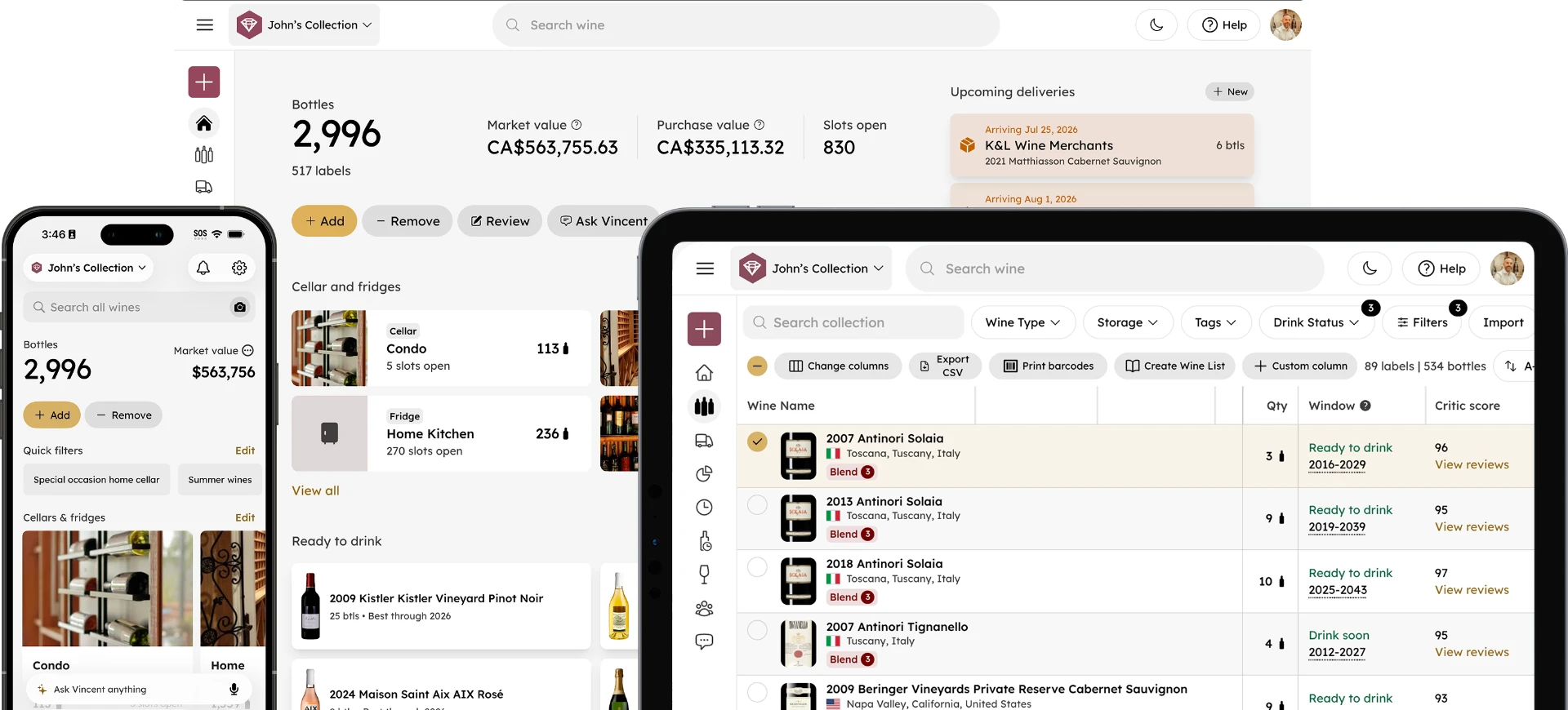
InVintory tracks every white wine in your collection with its full profile: producer, vintage, region, varietal, drinking window, and physical location. Because many serious white wines have narrower drinking windows than reds, the Ready to Drink feature is especially useful for whites; it surfaces bottles currently at their peak automatically so nothing is missed.
Vincent can recommend which white in your collection pairs best with what you're cooking, which bottles are approaching their drinking window, and which white varieties might complement gaps in your current collection. For a full overview of Vincent's capabilities, this post on Vincent's features covers everything in detail.
For physical organization, VinLocate adds a visual bottle location for every wine in your cellar, so a specific Chablis or Alsatian Pinot Gris doesn't get lost once your collection runs into the hundreds of bottles. VinLocate and Vincent are both part of InVintory Premium and Elite; the Free tier covers unlimited bottle tracking and core collection data, which is enough for most collectors just starting out with white wine.
See VinLocate in action →
Start Tracking Your White Wines in InVintory →
Serving White Wines: Temperature and Storage
What temperature should white wine be served at?
Cool climates produce white wines with higher acidity, lower alcohol, and delicate fruit flavors. Grapes like Riesling and Sauvignon Blanc thrive in these conditions. These lighter, higher-acid whites are best served between 45 and 50 degrees Fahrenheit. Fuller-bodied whites like oaked Chardonnay and Viognier show better slightly warmer, around 50 to 55 degrees.
Pinot Grigio fits with the lighter, higher-acid group at 45 to 50°F. Aromatic and off-dry styles like Gewürztraminer and Moscato benefit from a slightly colder pour, closer to 42 to 45°F, which keeps their sweetness from tasting heavy.
Most white wines served straight from a standard fridge are actually too cold; taking them out 15 to 20 minutes before serving brings out their full aromatic character. For more on storage conditions and temperature management, this post on wine storage temperature covers the fundamentals.
Frequently Asked Questions
What is the most collectible white wine variety?
White Burgundy (Chardonnay from Burgundy's top appellations) is the most sought-after white wine for serious collectors. Great Riesling from Germany and Alsace is equally age-worthy and often significantly better value.
Do white wines age as well as red wines?
Many do. Great White Burgundy, German Riesling, and Loire Chenin Blanc can age for 15 to 30 years in the right conditions. Most everyday whites are best within three to five years, but the finest whites rival the finest reds in aging potential.
How do I know when my white wine is ready to drink?
InVintory tracks drinking windows for every bottle in your collection automatically. The Ready to Drink section on your home screen shows every white currently in its optimal window.
Should I store white wine differently from red wine?
The storage fundamentals are the same; consistent temperature around 55 degrees Fahrenheit, humidity between 60 and 70 percent, no UV exposure, minimal vibration. White wines served from a fridge should be allowed to warm slightly before serving.
White wine rewards the collector who takes it seriously. From a great Chablis with oysters to an aged Vouvray served with aged cheese, the finest whites offer experiences that no red can replicate.