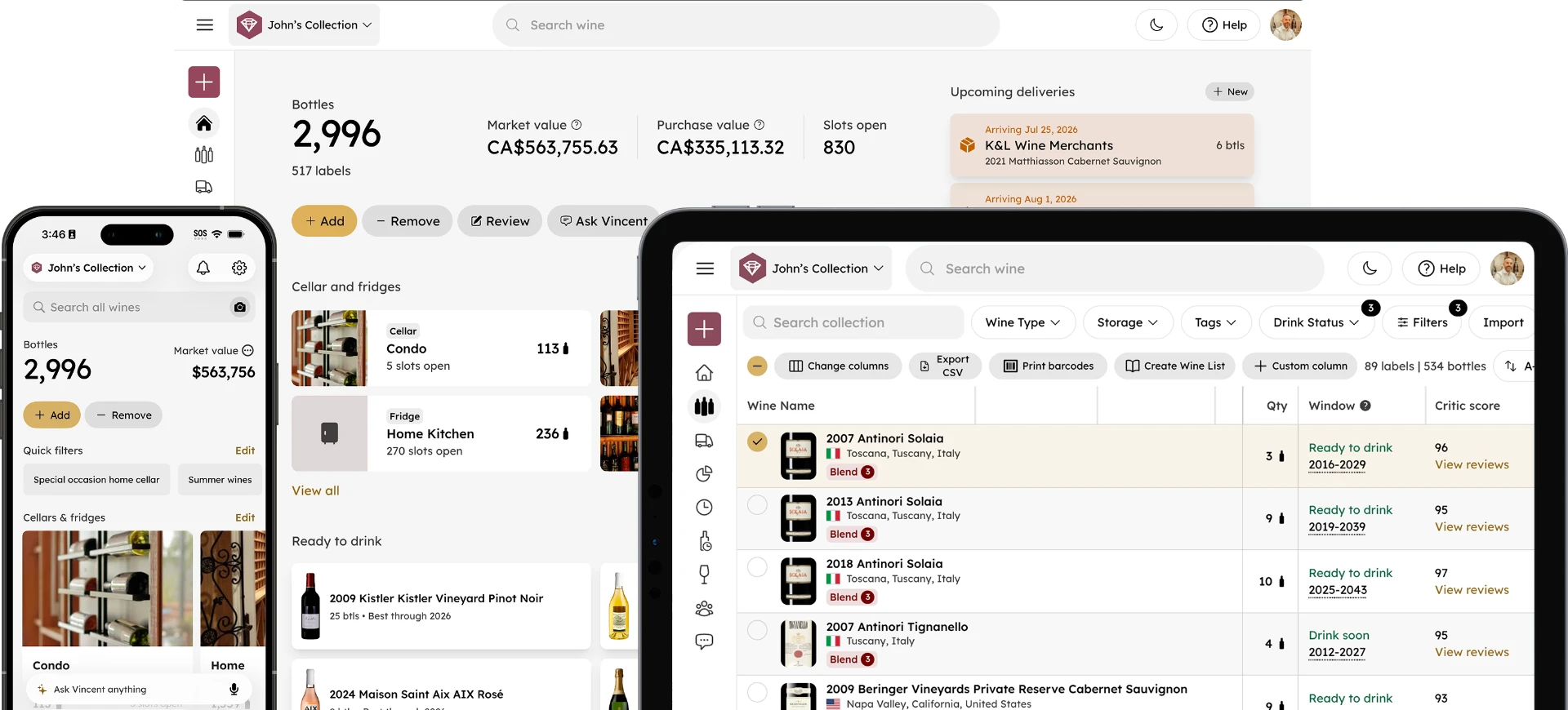
Temperature and Humidity Monitoring Playbook: What to Do When You Get an Alert
Paul Michael
May 6, 2026 · 4 min read
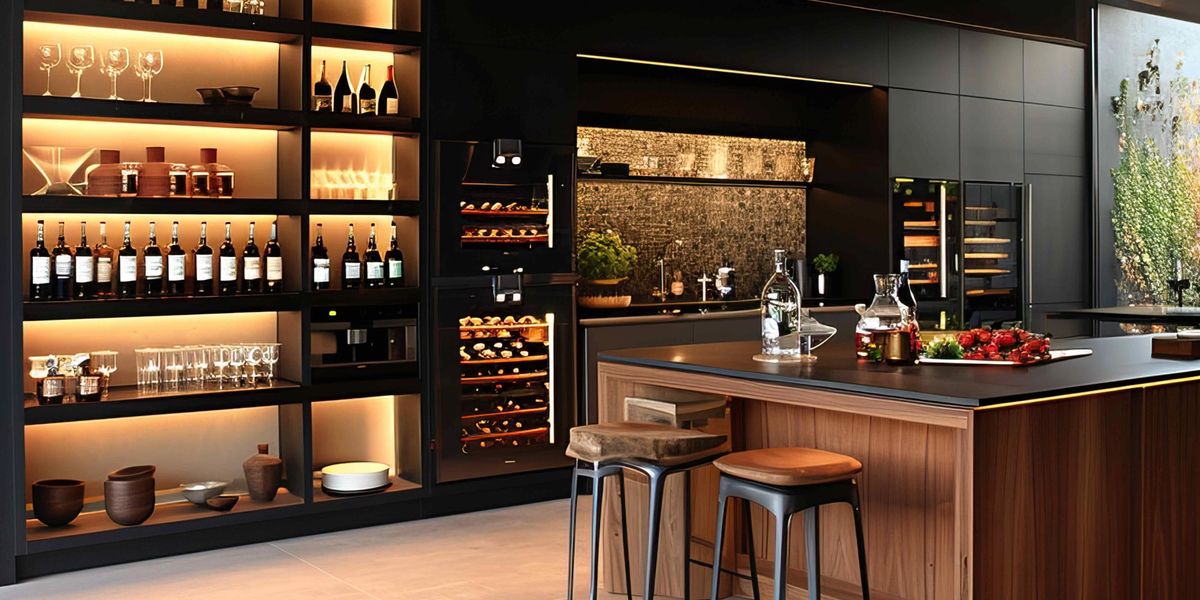
Protecting a wine collection is a high-stakes endeavor, and wine cellar temperature monitoring and wine cellar humidity control are critical for anyone serious about preserving value and flavor. Even small shifts in climate can put prized bottles at risk, making proactive monitoring the foundation of collection protection. With modern solutions made by collectors, for collectors, like InVintory (made by collectors, for collectors), it’s easier than ever to stay ahead of potential hazards and maintain optimal conditions.
On the Elite plan, InVintory supports temperature and humidity sensor integration (including Govee sensors), so you can monitor conditions remotely and get alerted when readings move outside your thresholds.
This playbook walks you through exactly what to do from the moment an alert hits your phone, ensuring your wines age gracefully and retain their value.
What an Alert Really Means for Your Wine Collection
It’s a question collectors face: does every alert signal a serious risk, or are some just noise? Alerts from your cellar’s climate monitoring system indicate that environmental conditions (like temperature or humidity) have drifted outside the preferred range. According to Wine Cellar Authority, maintaining a relative humidity of 50-70% is essential to protect both wine and cork; letting these parameters slip can allow oxygen in and degrade your wine, or encourage mold to grow on corks and labels (winecellarauthority.com).
Ignoring an alert isn’t just a minor oversight. Even brief deviations can lead to cork deterioration or oxidation, which is why industry guidelines underscore the necessity of monitoring and responding to every warning.
It’s also important to remember that different types of wine may have varying optimal storage conditions, with sparkling wines often stored at cooler temperatures than reds.
For collectors using advanced tools like custom 3D cellar modeling, these alerts are an integral part of safeguarding their investment.
First Response Checklist: What to Check in 5 Minutes
Acting quickly when an alert arrives can mean the difference between a preserved vintage and a spoiled collection. Here’s your rapid-response workflow:
- Verify the Alert: Double-check the reading using a secondary sensor or manual device to confirm it isn’t a false alarm.
- Check Equipment: Inspect cooling, heating, or humidification systems for failure or power loss; these are common culprits.
- Seal the Cellar: Ensure all doors and access points are closed to prevent further environmental fluctuation.
- Take Corrective Action: Adjust the climate system or use a portable humidifier/dehumidifier if needed.
- Document and Monitor: Log the incident in your cellar management app for future reference, and watch for additional alerts as you stabilize conditions.
If you get an alert, speed matters: confirm the reading, fix the cause, and keep monitoring until conditions stabilize.
While automated alerts are invaluable, periodic manual inspections help confirm system accuracy and catch issues technology might miss.
For more on why these steps work, see our post Wine Storage Temperature Guide: Myths, Facts, and How Apps Help.
Tuning Alert Rules: Useful, Not Noisy
Not all alerts are created equal. Setting alert thresholds too tightly can result in a barrage of false alarms, while lax parameters may let slow, damaging changes go unnoticed. The best practice is to calibrate alert rules to industry-recommended ranges, such as 12°C to 15°C (55°F to 59°F) for temperature and 50–70% relative humidity (winecellarauthority.com).
Regular calibration of your monitoring equipment is crucial; it’s the only way to achieve accuracy and avoid nuisance warnings. While global standards like OIV and ISO do not publish public calibration guidelines, industry consensus stresses the value of keeping your cellar’s climate within these ranges. Regular calibration of monitoring equipment helps keep these conditions stable, protecting wine quality.
For collectors leveraging custom 3D cellar modeling, tuning alert rules to match your cellar’s unique microclimate is essential for both peace of mind and wine preservation. Paying attention to insulation, vapor barriers, and cellar construction can further help stabilize your environment.
Root Causes and Quick Fixes
Most climate alerts can be traced to a handful of root causes, with equipment failure and user error, as well as unexpected weather events or power outages, leading the pack. In many cases, a failed HVAC or humidifier will push conditions out of range, while leaving a cellar door open can quickly alter temperature and humidity.
Routine checks and regular equipment maintenance are your first line of defence.
If an alert signals trouble, start with these basics before moving to more complex troubleshooting. Want to know how maintaining proper storage conditions can impact your collection’s value? See How to Track Your Wine Collection’s Value Automatically.
Troubleshooting Temperature Issues
Temperature fluctuations are one of the most common threats to wine collections. The ideal range is 12°C to 15°C (55°F to 59°F), but even brief exposure to temperatures above 70°F (21°C) can accelerate chemical reactions, creating a “cooked” taste and loss of complexity (heritagevine.com).
Even short-term excursions can leave a lasting mark on your bottles.
To minimize risk, make sure your climate control system is functioning, and don’t hesitate to relocate bottles if a system failure can’t be quickly resolved. Even short-term exposure to elevated temperatures can have detrimental effects, highlighting the need for vigilant temperature monitoring and control.
Collectors should also be aware that vibration and direct light can impact wine quality, especially if combined with temperature fluctuations.
Digital tools like 3D Wine Cellar Apps: How Bottle-Finding Tech Saves Collectors Hours can help you quickly identify and protect high-value bottles during a crisis.
Troubleshooting Humidity Issues
Collectors often wonder: will a few points off in humidity really matter? The answer: absolutely. According to Wine Cellar Authority, low humidity (below 50% RH) can dry out corks, letting oxygen in and spoiling wine, while high humidity (above 70% RH) can promote mold growth on corks and labels (winecellarauthority.com).
Maintaining 50–70% RH is not just a guideline; it’s a non-negotiable safeguard for your collection.
If you receive an alert, act quickly: add or remove humidity as needed, and inspect for early signs of mold. Maintaining humidity within the recommended range of 50-70% RH is important for preserving wine quality. Deviations can lead to cork deterioration and mold issues, both of which can compromise the wine's integrity.
High humidity doesn’t just risk mold; it can also damage labels, making bottles harder to identify and reducing their resale appeal.
For more on safeguarding your investment, see Insurance for Collectors: Exporting Audit-Ready Wine Inventories.
Audit Trail Habits to Prevent Repeats
Preventing repeat incidents means building habits around documentation and review. Regular calibration of temperature and humidity monitors supports ongoing accuracy, and periodic manual inspections can catch issues that technology might miss. Training anyone with cellar access on both the importance of alerts and proper response protocols is also vital.
Regular audits not only prevent issues but make it easier to document your collection for insurance or estate planning.
Industry best practices recommend logging every incident and response in your cellar management system. Regular calibration and staff training, as recommended by industry standards, help prevent future incidents.
For tips on avoiding common errors, see 14 Common Wine Inventory Mistakes (and How Apps Solve Them).
Definitions, Standards, and Red Flags for Collectors
Understanding the language and standards of cellar management is essential. The optimal temperature for wine storage is 12°C to 15°C (55°F to 59°F), and the recommended humidity range is 50–70% RH. Going outside these parameters can risk oxidation, spoilage, or mold.
International organizations, like the OIV and ISO, reinforce these ranges as foundational for wine preservation. Any temperature fluctuation, humidity drop below 50%, or spike above 70% should be treated as a red flag.
Serious collectors planning new builds may wish to consult with a cellar construction or HVAC specialist to make sure these standards are met.
For guidance on choosing the right systems for compliance, see Wine Inventory App Pricing in 2026: Free vs Premium vs Elite.
Conclusion: Protecting Your Collection with Smart Monitoring
Maintaining a wine collection’s value and longevity is a matter of vigilance, not luck. Wine cellar temperature monitoring and wine storage best practices are your strongest tools. By responding quickly to alerts, tuning your monitoring system, and following proven industry guidelines, you’ll keep your bottles ready to shine at every occasion and preserve their value for years to come.
Staying up to date on advances in monitoring technology and recommended best practices helps keep your collection protected as the industry moves forward.
References
- Wine Cellar Authority. (n.d.). Wine Storage Humidity Guide: Best Practices & Ideal Range. https://winecellarauthority.com/blogs/wine-storage-and-preservation/wine-storage-humidity-guide
- Alibaba. (2024). Wine Cellar Monitoring Systems with AI Alerts: Are They Worth the Investment? https://www.alibaba.com/product-insights/wine-cellar-monitoring-systems-with-ai-alerts-are-they-worth-the-investment.html
- Heritage Vine. (n.d.). Wine Cellar Climate Control: Why It Matters and How to Ensure It. https://www.heritagevine.com/journal/wine-cellar-climate-control-why-it-matters-and-how-to-ensure-it
- OIV. (2020). OIV-OENO 631-2020: Storage of bottled wines. https://www.oiv.int/public/medias/7593/oiv-oeno-631-2020-en.pdf
- ISO. (2019). ISO 3631:2019: Storage of perishable goods. https://cdn.standards.iteh.ai/samples/72809/c1a642617da94934856983f14806f494/ISO-3631-2019.pdf