Cellar Organization Framework: Tags, Sections, and Naming Rules That Scale Past 500 Bottles
Paul Michael
April 20, 2026 · 4 min read
For collectors and hospitality professionals, scaling a wine cellar past 500 bottles is both an achievement and a real challenge. As collections grow, memory and spreadsheets can’t keep pace with the complexity, and small mistakes can lead to lost bottles, missed drink windows, or wasted time.
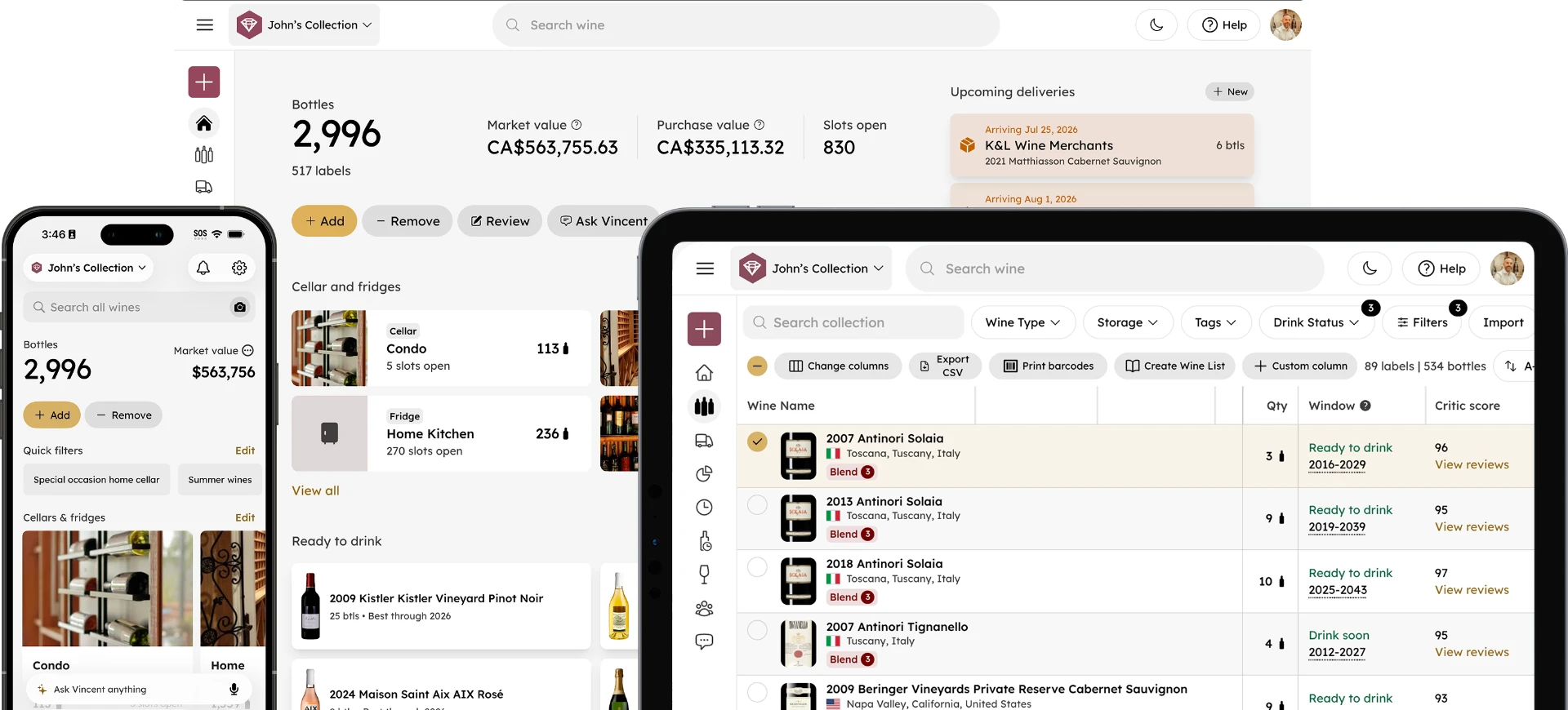
That’s why over 68% of serious collectors and large-scale producers now rely on digital wine inventory management to minimize mistakes, save time, and protect the value of their collections (invintory.com). Solutions made by collectors, for collectors like InVintory bring order and insight to the process, enabling users to locate bottles in seconds and avoid costly errors.
Why DIY Organization Breaks Down After 500 Bottles
When managing a small collection, it’s possible to rely on basic spreadsheets or even memory. As collections surpass 500 bottles, however, the complexity increases dramatically and error rates spike. Manual data entry becomes time-consuming, and small mistakes like a single typo or misfiled bottle can result in missed drink windows or inventory losses.
Manual systems are not just error-prone; they also lead to significant time loss. When location data and bottle status aren’t kept current, miscounts pile up, bottles get “lost,” and wines are more likely to be missed at their best.
Many serious collectors now choose a wine inventory app with 3D bottle-finding & valuation to regain control and confidence at scale.
The Three-Layer System: Sections, Tags, and Lists Explained
Modern, scalable cellars depend on a three-layer system that balances physical order with digital precision:
- Sections mirror your physical storage (racks, bins, lockers, and fridge zones) so your digital layout matches the real world.
- Tags add custom metadata, from “Anniversary” or “Auction” to “Gifted” or “Drink Soon,” letting collectors filter inventory for special occasions or needs. Documenting tag conventions and training anyone who helps manage the cellar ensures consistency as the collection grows.
- Lists act as dynamic, on-demand groupings for drink windows, ready-to-drink queues, or seasonal rotations.
This structure mirrors proven inventory best practices, where layered frameworks reduce retrieval errors and speed up access. An intentional, layered approach is the only way to keep a collection usable as it grows.
For more on optimizing consumption timing, see our guide to Drink-Window Automation: How Apps Build and Maintain Your ‘Open Tonight’ Queue.
Naming Rules That Prevent Drift in Large Cellars
How do you keep a growing cellar from drifting into confusion? Consistent naming is essential. Standardizing section names, tag conventions, and bottle identifiers means every collector or staff member can find the right bottle without second guessing.
Clear naming helps you avoid opening bottles too soon or too late, and it makes gaps in your collection easier to spot when you’re planning purchases. Just as important: consistent naming reduces “false confidence” by making audits and spot-checks faster and more reliable.
Using clear, scalable conventions, like “Producer_Varietal_Vintage_Region” or alphanumeric codes for sections, sets a solid foundation for future growth. For advanced digital options, consider a wine inventory app with 3D bottle-finding & valuation, like InVintory.
Retrieve-First Workflows: Making Bottle Access Effortless
The most successful collectors design workflows that prioritize real-time bottle retrieval, especially for hosting, gifting, or pairing. Organized, retrieve-first systems can dramatically reduce search time and minimize error.
In practice, organized retrieval workflows mean less time hunting and more time enjoying your collection. They also make it easier to spot gaps in your cellar, guiding smarter buying decisions.
With features like VinLocate or 3D modeling, finding a specific bottle becomes a matter of seconds, not minutes. Learn more about optimizing bottle retrieval in our article on VinLocate Setup: How to Map Racks, Bins, and Fridges for Fast Bottle Finding.
Maintenance Routines: Weekly Cleanup and Monthly Reset
Even the best digital system needs regular attention to stay accurate. Weekly and monthly routines like reconciling digital records with physical inventory, checking for misplaced bottles, and auditing for missing or duplicate entries are vital to keeping your collection healthy.
If your inventory isn’t kept current, it can create false confidence. Routine audits help prevent discrepancies from accumulating unnoticed, ensuring your inventory stays trustworthy.
Consistent audits not only help prevent costly mistakes, but also prepare you for insurance claims or valuations. For more on maximizing cellar value, see How to Track Your Wine Collection’s Value Automatically.
Advanced Strategies: Smart Tech, Security, and Compliance
As cellars grow, disciplined processes matter more: limit who can change records, keep location updates consistent, and review the cellar on a schedule so your digital inventory stays aligned with the physical space.
For high-value collections, security measures like access controls and surveillance can be just as important as technology for protecting your investment. Industry leaders emphasize the rising adoption of digital tracking and compliance tools for large cellars, helping reduce error rates and future-proof your collection.
Common Pitfalls and How to Avoid Them in Large Cellar Organization
Even seasoned collectors can fall into costly traps as inventories grow. The most frequent and damaging mistakes include mismatched vintages, overstocking, understocking, poor record-keeping, improper storage, and skipping audits.
Manual processes often mean hours of time lost and more fatigue-related errors. A digital system helps by reducing duplicate entry, making audits faster, and making it easier to keep bottle locations accurate as bottles move in and out.
Avoiding these errors starts with consistent labeling, regular audits, and using best-in-class digital tools.
References
- InVintory. (2024). Spreadsheet vs Wine App: Why Collectors Are Switching. https://invintory.com/blog/spreadsheet-vs-wine-app-why-collectors-are-switching
- InVintory. (2024). From Spreadsheet to Wine App: Why Collectors Upgrade Their Tracking. https://invintory.com/blog/from-spreadsheet-to-wine-app-why-collectors-upgrade-their-tracking
- Wine Folly. (2023). What Makes a Good Wine Cellar? https://winefolly.com/deep-dive/what-makes-a-good-wine-cellar
- ResearchGate. (2014). Warehouse Management for Improved Order Picking Performance: An Application Case Study from the Wood Industry. https://www.researchgate.net/publication/237427583_WAREHOUSE_MANAGEMENT_FOR_IMPROVED_ORDER_PICKING_PERFORMANCE_AN_APPLICATION_CASE_STUDY_FROM_THE_WOOD_INDUSTRY
- Alibaba.com. (2023). How to Organize a Wine Cellar Using Digital Inventory Apps. https://www.alibaba.com/product-insights/how-to-organize-a-wine-cellar-using-digital-inventory-apps