Bar Wine Inventory Count: A Step by Step Guide
Madeleine Cruickshank
August 13, 2026 · 6 min read
How do you do a wine inventory count in a bar?
Build a count sheet organized by storage location, count full bottles first, estimate open bottles second, then compare the total against what your POS system expected you to have based on sales. The specific steps: prepare your count sheet, count systematically by location rather than randomly, record full and partial bottles separately, total each category, and reconcile against expected usage.
Step 1: Build a Count Sheet That Matches Your Storage Layout
A count sheet organized by physical location, bin by bin or shelf by shelf, moves faster and produces fewer errors than one organized alphabetically or by category, since you're not backtracking through the same section multiple times. Include producer, vintage, format, and location for each line item, with separate columns for full bottle count and an estimate for anything opened.
If your wine list changes often, keep the sheet's structure current rather than counting against an outdated layout, since a mismatched sheet slows the count down and increases the odds of missing something.
Step 2: Count Full Bottles Systematically
Move through your storage in one consistent direction, front to back or top to bottom, rather than jumping around. Count out loud or mark each bottle as you go if you're working with a partner, since it's easy to lose track of where you left off in a busy or poorly lit storage area. For high-value or rare bottles, consider a second person verifying the count on those specific lines, since an error there carries more financial weight than a miscount on a house pour.
Step 3: Count Open Bottles Accurately
How do you count open bottles accurately?
Weigh the bottle and subtract the known empty weight for that bottle's format to get a precise remaining volume, or use a consistent visual estimate in quarters (full, three-quarters, half, quarter) if a scale isn't practical during a count. Weighing is more accurate, especially for high-value bottles poured by the glass frequently, since visual estimates on an oddly shaped bottle can be off by a meaningful margin.
If you're pouring by the glass regularly, tracking pours through your POS as they happen, rather than relying entirely on physical counts to catch usage, reduces how much you need to estimate at count time in the first place.
Step 4: Total and Compare Against Expected Usage
Once you have full and partial bottle counts totaled, compare that figure against what your POS system expected you to have on hand, based on recorded sales since your last count. The difference between expected and actual is your variance, and it's the number that actually tells you whether something's wrong.
How Often Should a Bar Count Its Wine Inventory?
Most operations benefit from a layered cadence: quick par checks nightly or after each shift for high-velocity by-the-glass pours, and a full physical count weekly or monthly for the complete list. Nightly checks catch problems fast on your highest-turnover items, while the full count catches slower-moving bottles that a nightly spot check would miss entirely.
A wine-heavy program with a large, slower-moving list may lean more on monthly full counts with more frequent checks limited to just the by-the-glass selections, since counting an entire deep cellar list every night isn't a realistic use of staff time.
Step 5: Reconcile Variance After a Shift or Count
How do you reconcile inventory variance after a shift?
Start with your highest-value or highest-variance line items rather than trying to explain every discrepancy at once. Check for common, mundane causes first: a miscounted opening inventory, a sale rung up under the wrong item, a comp or spill that wasn't logged, or a bottle moved to a different storage location without the sheet being updated. Genuine shrinkage, theft, over-pouring, or breakage that wasn't recorded, is a real possibility too, but it's usually not the first explanation to reach for before ruling out simpler causes.
Set a variance threshold, often somewhere around 5 to 10 percent depending on your program, above which a line item gets flagged for investigation rather than written off as normal counting noise. Tracking variance over multiple count cycles, not just once, reveals patterns a single count can miss, like a specific pour station or shift consistently running high variance.
Who Should Do the Count?
A manager or a designated inventory lead, rather than whoever happens to be free, produces more consistent results over time, since the same person develops a feel for the storage layout and catches anomalies faster than someone counting cold. For high-value cellars, having a second person independently verify at least the top-value lines adds a real check against both error and any potential dishonesty, without requiring a full double-count of the entire list.
Where Software Speeds This Up
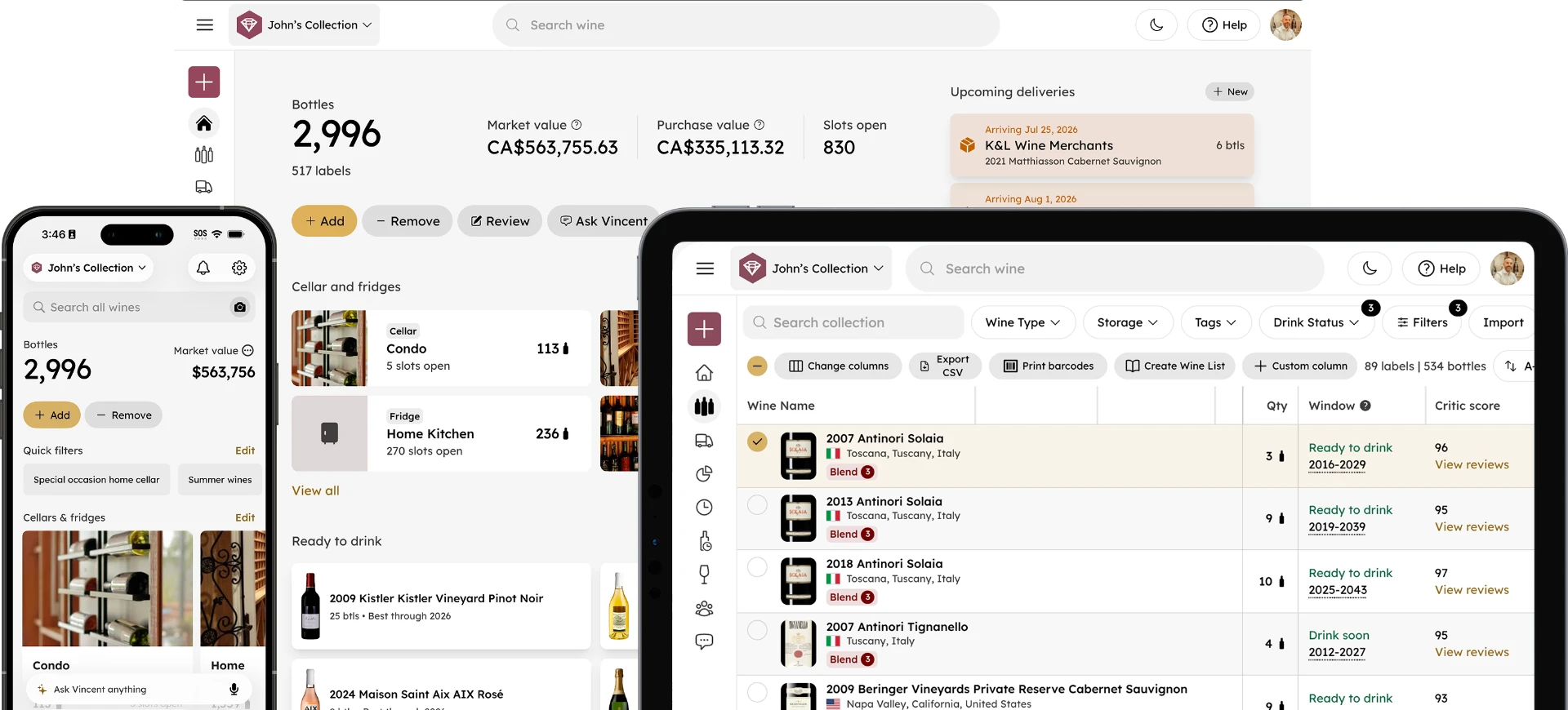
Everything above works with a paper count sheet, but software removes a meaningful amount of the manual work: pulling expected usage automatically from POS sales data instead of calculating it by hand, flagging variance above your set threshold instead of requiring you to scan a spreadsheet for outliers, and generating pre-shift lists so staff know what to check before doing a full count. For the specific features this looks like in practice, see our overview of wine bar inventory software, and if you're comparing platforms, see our comparison of the best wine bar inventory software.
Speed up your next count with variance alerts and pre-shift lists: explore InVintory for hospitality →
Beyond the Count Itself
A physical count is only one piece of running an efficient wine program. If updating your printed or digital wine list after a count is its own time sink, see our guide on how to update a restaurant wine list, which covers how inventory, lists, and service prep fit together each week. If your program is still tracking inventory on a spreadsheet, our migration guide covers the general steps for moving to dedicated software.
A count is only as useful as what you do with the variance it surfaces. Build the habit of reconciling every cycle, not just counting for its own sake.
Ready to cut count time with software built for wine programs?
Explore InVintory for Hospitality →
FAQ
How long should a full wine inventory count take?
This depends heavily on list size and storage layout, but a well-organized count sheet matched to your physical storage is the single biggest factor in keeping count time reasonable, regardless of how large the list is.
What's a normal amount of variance for a bar's wine inventory?
There's no universal number, but many operations flag anything above roughly 5 to 10 percent on a given line item for investigation, while treating smaller discrepancies as normal counting noise.
Should servers be involved in wine inventory counts?
For a full count, it's usually better to limit it to a manager or dedicated inventory lead for consistency. Servers can be useful for nightly par checks on the specific by-the-glass selections they're actively pouring.
Is it worth counting every bottle or just the wine list's high-value items?
A full count should cover everything on a regular cadence, but between full counts, focusing nightly attention on your highest-velocity and highest-value items catches the discrepancies most likely to cost real money.