Wine Collection Reporting: What to Export for Cellar Audits, Moves, and Estate Planning
Madeleine Cruickshank
May 5, 2026 · 4 min read

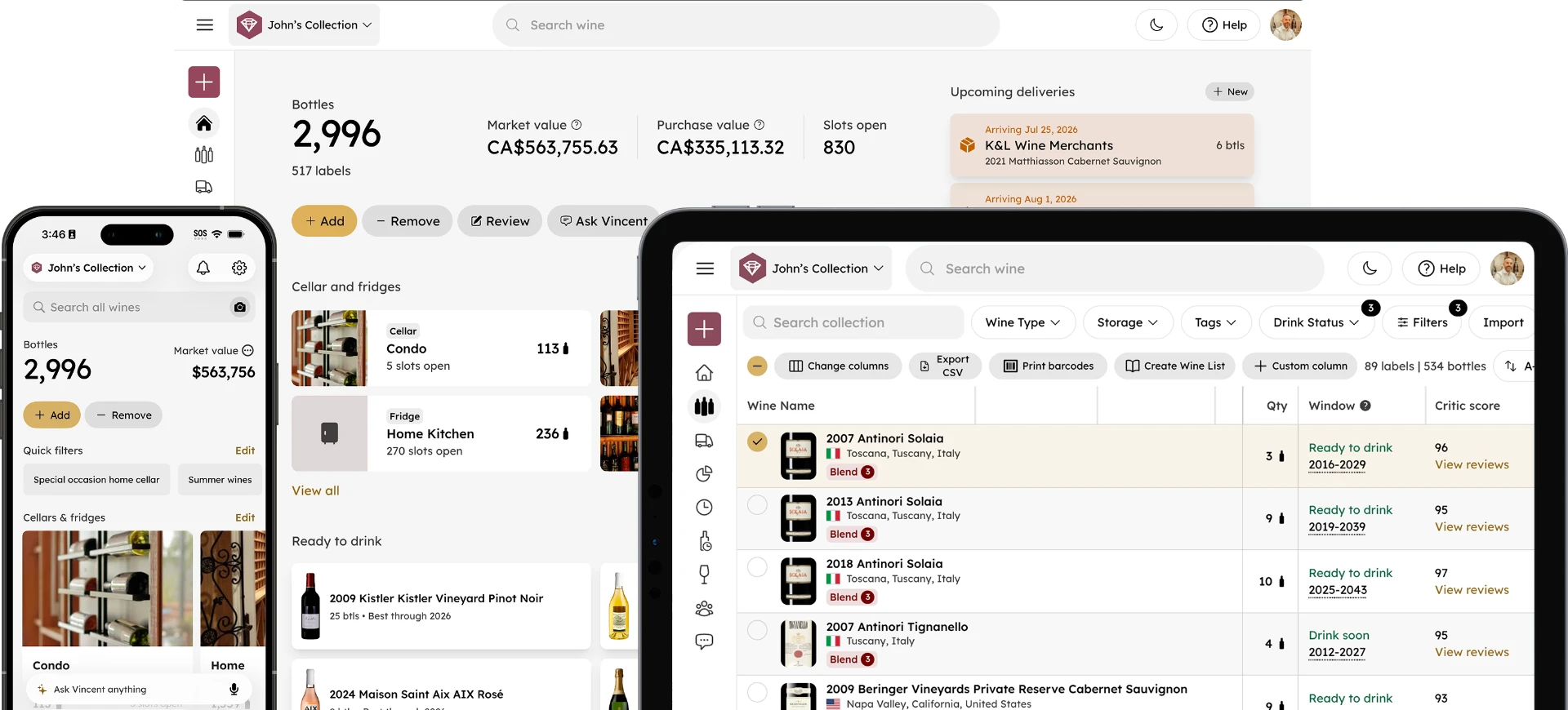
For collectors, wine is both a passion and a distinct asset; one that deserves to be managed with the precision of any other high-value investment. As collections expand in value and complexity, the stakes for accurate reporting grow even higher, whether you’re preparing for an audit, planning a move, or thinking ahead to estate transitions. The global wine cellar management software market is expected to reach USD 3.28 billion by 2033, a sign of just how many collectors are turning to digital solutions for inventory tracking and documentation (invintory.com).
Choosing a solution made by collectors, for collectors, such as InVintory, makes it easier to keep your collection data organized and secure, so when the time comes for an audit or transition, you’re ready.
Beyond Insurance: The Real Reasons to Export Your Wine Collection Data
Collectors often think about exporting inventory data only when insurance is involved, but there’s much more at stake. Accurate reporting supports audits, makes moves easier, and ensures your collection is properly valued for estate planning.
Exports are the backbone for audits, relocation logistics, and legacy planning.
The rise in fine wine insurance value globally underscores how important it is to keep records current and ready for any scenario. With more collectors digitizing their inventories, the trend is clear: audit-ready reporting is quickly becoming an industry standard. According to experts, “Accurate and detailed inventory records are crucial for insurance and estate planning, ensuring that collectors can substantiate the value and authenticity of their wine assets.”
For those seeking advanced features like valuation and 3D bottle-finding, a wine inventory app with 3D bottle-finding & valuation can streamline the entire reporting process.
The Three Export Views Every Collector Needs
Collectors face three main scenarios where exporting collection data is essential: audits, moves, and estate planning. Each requires a slightly different approach to reporting.
- Audit View: Designed for insurance or audit documentation, this export should be highly detailed, including valuation, bottle details, and any notes that help substantiate what you own.
- Move View: For relocations, an export focused on location and bottle status is key so you can pack, check off, and verify everything arrives.
- Estate Planning View: Estate exports highlight value, acquisition details, and legal documentation, making it easier for heirs or advisors to understand and transfer assets.
Platforms specializing in audit-ready wine inventories reinforce that, “Accurate and detailed inventory records are crucial for insurance and estate planning, ensuring that collectors can substantiate the value and authenticity of their wine assets.”
For more, see Insurance for Collectors: Exporting Audit-Ready Wine Inventories.
What Fields to Include in Your Wine Collection Export (and Why)
It’s common for collectors to wonder exactly which data to include when exporting a wine collection for audits, moves, or estate planning. The essentials are remarkably consistent across the industry:
- Wine Name and Vintage: To uniquely identify each bottle.
- Region/Appellation: For provenance and valuation.
- Bottle Size and Quantity: For inventory accuracy.
- Purchase Date and Purchase Price: To support value calculations and insurance.
- Current Market Value: For up-to-date assessments.
- Provenance: Demonstrates authenticity and storage history, and can boost resale or estate value.
- Storage Location and Condition Notes: Key for moves and audits.
- Drink Window: Useful for personal enjoyment and planning.
Including optional fields like tasting notes, label images, or appraisal reports can add extra value, especially if you ever decide to sell or further insure your collection.
For collectors using digital platforms, these fields are typically captured automatically or can be easily exported in formats such as CSV, Excel, or PDF, making reporting straightforward and audit-ready.
Scenario Playbook: Exports for Audits, Moves, and Estate Planning
When preparing to export your collection, a step-by-step approach helps make sure you don’t miss crucial details:
- Start with a digital inventory: Use a reputable app or software to centralize all bottle data.
- Select the scenario: Choose your export type (audit, move, or estate planning) so the report matches the requirements.
- Verify essential fields: Check that all required fields (see above) are up to date.
- Leverage clear location data: For moves, accurate bin/rack locations and bottle status make packing and reconciliation far easier.
- Export and share securely: Generate your report in the required format and share it securely with insurers, movers, or estate planners.
If you’re moving, the goal is a clean checklist you can reconcile at pickup and delivery, so nothing goes missing and nothing gets mixed up.
For those wanting to track the value of their collection automatically, see How to Track Your Wine Collection’s Value Automatically.
Audit Checklist
- Confirm inventory is up to date
- Include provenance, valuation, and condition notes
- Export in a format required by your insurer or auditor
Move Checklist
- Document storage location and status of each bottle
- Use climate and condition monitoring if available
- Double-check bottle count before and after move
Estate Planning Checklist
- Ensure legal documentation matches inventory records
- List acquisition and value details for all bottles
- Secure digital or physical copies for heirs or advisors
For valuation dates, executor duties and dividing bottles between heirs, see our guide to estate planning for a wine collection.
Keep Your Exports Current: Cadence and Maintenance Best Practices
Regularly updating your wine collection exports is crucial for staying protected and maximizing value. Outdated records can lead to denied insurance claims or complications during estate transfers.
As experts point out, “Maintaining current and accurate records of your wine collection is essential to make sure you have proper insurance coverage and can substantiate claims in the event of loss or damage.”
By leveraging features like automated reminders and digital exports in a modern wine cellar management software, you can keep your documentation ready for any scenario. As software adoption accelerates across the industry, collectors who rely on up-to-date digital records are better positioned for audits, moves, or estate transitions.
For guidance on digital maintenance, see VinLocate Setup: How to Map Racks, Bins, and Fridges for Fast Bottle Finding.
Technology, Security, and the Future of Wine Collection Reporting
The future of wine collection reporting is practical: faster exports, cleaner documentation, and simpler ways to share audit-ready files securely.
The key is choosing a system you trust and keeping it updated, so the export is useful when you actually need it.
As always, collectors should be mindful of privacy risks and trust only secure, reputable platforms to protect their data from unauthorized access.
For those interested in leveraging AI for cellar management, see AI Wine Assistant: How Smart Apps Build Your ‘Ready to Drink’ List.
Common Pitfalls and Compliance Risks in Wine Collection Reporting
Even experienced collectors can fall into traps like using outdated records, neglecting compliance requirements, or relying on manual systems that miss critical details. Digital tools help avoid these common mistakes by automating updates, securing data, and helping collectors stay in line with regional regulations.
If you have rare or high-value bottles, consider working with a qualified appraiser and keep your inventory details and valuation documentation organized.
Working with a qualified estate planner or certified appraiser can further safeguard against regulatory pitfalls.
When considering a switch from spreadsheets to more robust digital solutions, review Spreadsheet vs Wine App: Why Collectors Are Switching in 2026.
Frequently Asked Questions: Wine Collection Reporting for Audits, Moves, and Estates
Q: What format is best for exporting my wine collection?
A: CSV and Excel provide flexible data manipulation; PDF is useful for static, shareable reports.
Q: What if I have rare or high-value bottles?
A: Use detailed provenance, condition notes, and market value fields to support appraisals and insurance.
Q: How often should I update my inventory?
A: Ideally, after every significant acquisition, sale, or movement. At minimum, review and update quarterly.
Q: Can digital tools reduce reporting mistakes?
A: Yes, mainly by keeping bottle data consistent, making audits easier, and reducing manual copy/paste errors.
For a comparison of leading digital tools, see Best Wine Apps in 2026: Top Tools for Collectors Compared.
References
- InVintory. (2024). Insurance for Collectors: Exporting Audit-Ready Wine Inventories. https://invintory.com/blog/insurance-for-collectors-exporting-audit-ready-wine-inventories
- DataIntelo. (2024). Fine Wine Insurance Market Size, Growth, and Analysis. https://dataintelo.com/report/fine-wine-insurance-market
- Vincella. (2025). Top 7 Emerging Trends in Wine Storage Technology for 2025. https://www.vincella.com/blog/43-top-7-emerging-trends-in-wine-storage-technology-for-2025-innovations-in-smart-cellars-ai-iot-and-sustainability
- ScienceDirect. (2025). Blockchain-Based Traceability System for the Wine Industry. https://www.sciencedirect.com/science/article/pii/S2096720925001320
- WineFraud.com. Chai Consulting Wine Collection Management. https://winefraud.com/services/chai-consulting-wine-collection-management/
- InVintory. (2024). How to Track Your Wine Collection’s Value Automatically. https://invintory.com/blog/how-to-track-your-wine-collections-value-automatically