Past Bottles to Better Buying: How to Turn Notes Into a Personal Preference Profile
Paul Michael
April 30, 2026 · 2 min read
Wine collectors often find themselves staring at their cellar, struggling to recall which bottles delighted and which disappointed. This isn’t just forgetfulness; it’s a well-documented challenge. Research shows that people are generally poor at recalling complex food stimuli like wine, making it difficult to remember specific tasting experiences over time (sciencedirect.com).
Structured, sensory note-taking can improve recall over time and help you compare wines more consistently (winespectator.com). That’s why solutions made by collectors, for collectors, such as InVintory, are gaining popularity.
By capturing what you experience, you transform fleeting sips into lasting insights.Building a Wine Preference Profile isn’t just about nostalgia, it’s the secret to buying smarter and enjoying every bottle.
Why Most Collectors Forget What They Loved
Even the most passionate wine lovers can lose track of what they truly enjoyed. The culprit? Inconsistent note-taking or relying on memory alone. Studies from educational psychology show that poor or irregular note-taking leads to gaps in recall and missed opportunities (sciencedirect.com). In the context of wine, this means “bottle regret”—opening a prized bottle too soon, too late, or forgetting a new favorite altogether.
When your notes are consistent, it’s easier to avoid repeat mistakes—and easier to buy (and open) with confidence.
Without a reliable record, even great bottles can fade from memory.
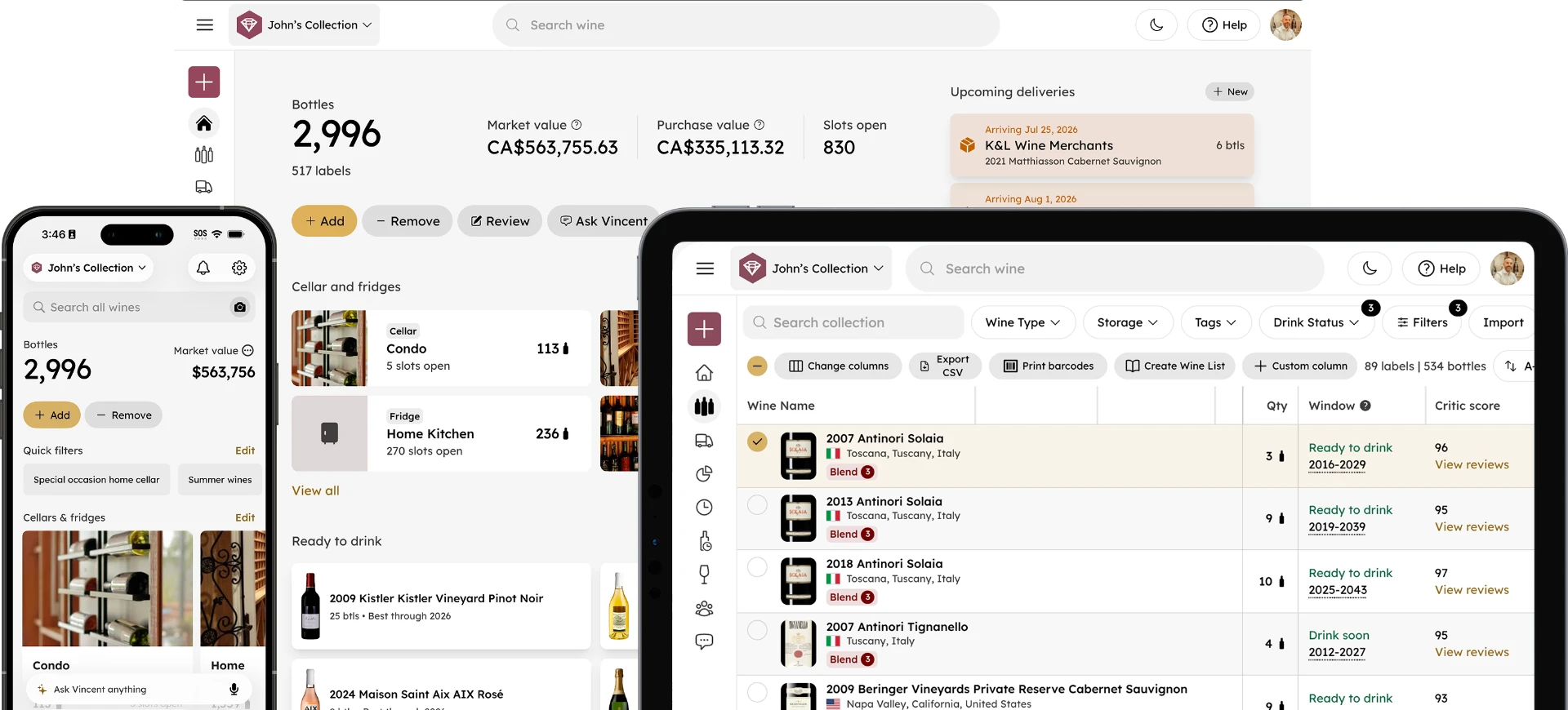
A free wine inventory app like InVintory empowers collectors to document each tasting, reducing the risk of missed opportunities and making every bottle count.
A Note Framework That Takes 30 Seconds
Capturing detailed wine notes doesn’t have to be a chore. A structured, step-by-step approach streamlines the process and ensures you never miss what matters:
- See: Quickly assess the wine’s color and clarity.
- Swirl & Smell: Note the primary aromas—fruit, floral, spice, or earth.
- Sip: Record initial flavors, acidity, tannins, and body.
- Savor: Observe the finish—short, lingering, or complex?
- Summarize: Add a quick impression: “Would buy again,” “Good for aging,” or “Pair with steak.”
Structured frameworks (like WSET-style tasting structure) help you capture the same core details each time, so your notes stay useful even months later (bmcresnotes.biomedcentral.com; oxbridgenotes.co.uk).
When you’re capturing bottle details, following Best Practices for Photographing Wine Labels (for App Accuracy) ensures your notes are paired with the right vintage every time.
Turn Notes Into a Personal Preference Profile
Random tasting notes have limited value until they’re organized into a coherent picture of your palate. Turning those notes into a Wine Preference Profile helps you spot patterns, so future buys are less guesswork and more repeatable wins (wineanorak.com).
Jancis Robinson echoes this, noting that detailed notes build a personal wine database that refines over time, guiding smarter choices (jancisrobinson.com). Digital tools like a Digital Wine Journal or the right Wine Tasting Apps take this further. They analyze your input, highlight recurring grape varieties or regions, and surface recommendations that actually match your evolving taste—making every purchase a confident one.
Some platforms now use algorithms to suggest new wines based on your recorded preferences, further boosting repeat purchase satisfaction.
Buying Decisions: Repeat, Explore, Skip
Every bottle you record is a clue for future shopping. Here’s how your notes help you act with confidence:
- Repeat: When you notice several entries praising a specific varietal or producer, that’s your green light for a repeat purchase. Digital note-taking, when used consistently, helps reinforce these patterns—key to long-term buying satisfaction (arxiv.org).
- Explore: If your notes show curiosity about a style or region but mixed reviews, use this as a guide to branch out. While community-driven review models are helpful, they can sometimes overshadow unique or niche producers, so capturing your own experiences in detail keeps your profile truly tailored. Compare your impressions with others using tools highlighted in Wine Label Scanner Apps Compared: Accuracy, Edge Cases, and Best Picks.
- Skip: Negative or neutral notes about certain wines are the nudge you need to avoid similar bottles in the future, saving money and cellar space.
A balanced use of digital tools not only streamlines this process but also increases engagement and decision confidence, as recent studies in AI note-taking suggest (arxiv.org).
Repeat Signals / Explore Signals / Skip Signals
- Repeat: Consistent high scores, positive notes on taste, and memorable pairings.
- Explore: Mixed scores, curiosity about new styles, or appreciation for unique characteristics.
- Skip: Unpleasant experiences, recurring dislikes, or negative remarks about value.
Weekly 5-Minute Review
How do you keep your Wine Collection Management system accurate and your profile up to date? A quick weekly review is your secret weapon. Studies on learning and inventory management show that regular, structured review sessions improve accuracy and help spot trends or gaps (frontiersin.org; oxbridgenotes.co.uk).
Set a reminder to look over your recent notes, update bottles consumed, and scan for patterns.
This habit not only maintains a sharp record but also ensures you’re ready for your next purchase. For more on maximizing your collection’s value, see How to Track Your Wine Collection’s Value Automatically.
Conclusion: From Notes to Next-Level Enjoyment
Smart wine collecting isn’t about having a perfect memory—it’s about building the right habits. By capturing Wine Tasting Notes, creating a living Wine Preference Profile, and reviewing your collection regularly, you turn fleeting experiences into a roadmap for better buying.
Every note you take is a step toward a more rewarding cellar and unforgettable moments with every bottle.
References
- Bieler, K. (2023). Can Sensory Analysis of Wine Deter Dementia? Wine Spectator. https://www.winespectator.com/articles/can-sensory-analysis-of-wine-deter-dementia-083124
- Can metaphors help us better remember wines? The effect of wine evaluation style on short-term recognition of red wines. ScienceDirect. https://www.sciencedirect.com/science/article/pii/S0963996924000796
- How to Track Your Wine Collection’s Value Automatically. Invintory. https://invintory.com/blog/how-to-track-your-wine-collections-value-automatically
- Learning by taking structured notes: A systematic review and meta-analysis. Contemporary Educational Psychology. https://www.sciencedirect.com/science/article/abs/pii/S0361476X21000849
- Oxbridge Notes. (2024). Why Your Exam Performance Hinges on Good Note Organisation. https://www.oxbridgenotes.co.uk/articles/why-your-exam-performance-hinges-on-good-note-organisation
- Structured note-taking methods improve documentation skills and academic performance: a randomized controlled trial. BMC Research Notes. https://bmcresnotes.biomedcentral.com/articles/10.1186/s13104-025-07500-z