How to Track Cellar Goals: “Keep”, “Gift”, “Sell”, and “Replace” Lists That Prevent Overbuying
Paul Michael
May 4, 2026 · 3 min read

Wine collecting is entering a more organized era; one where digital tools and clear cellar goals help collectors manage bottles with less guesswork and fewer missed opportunities.
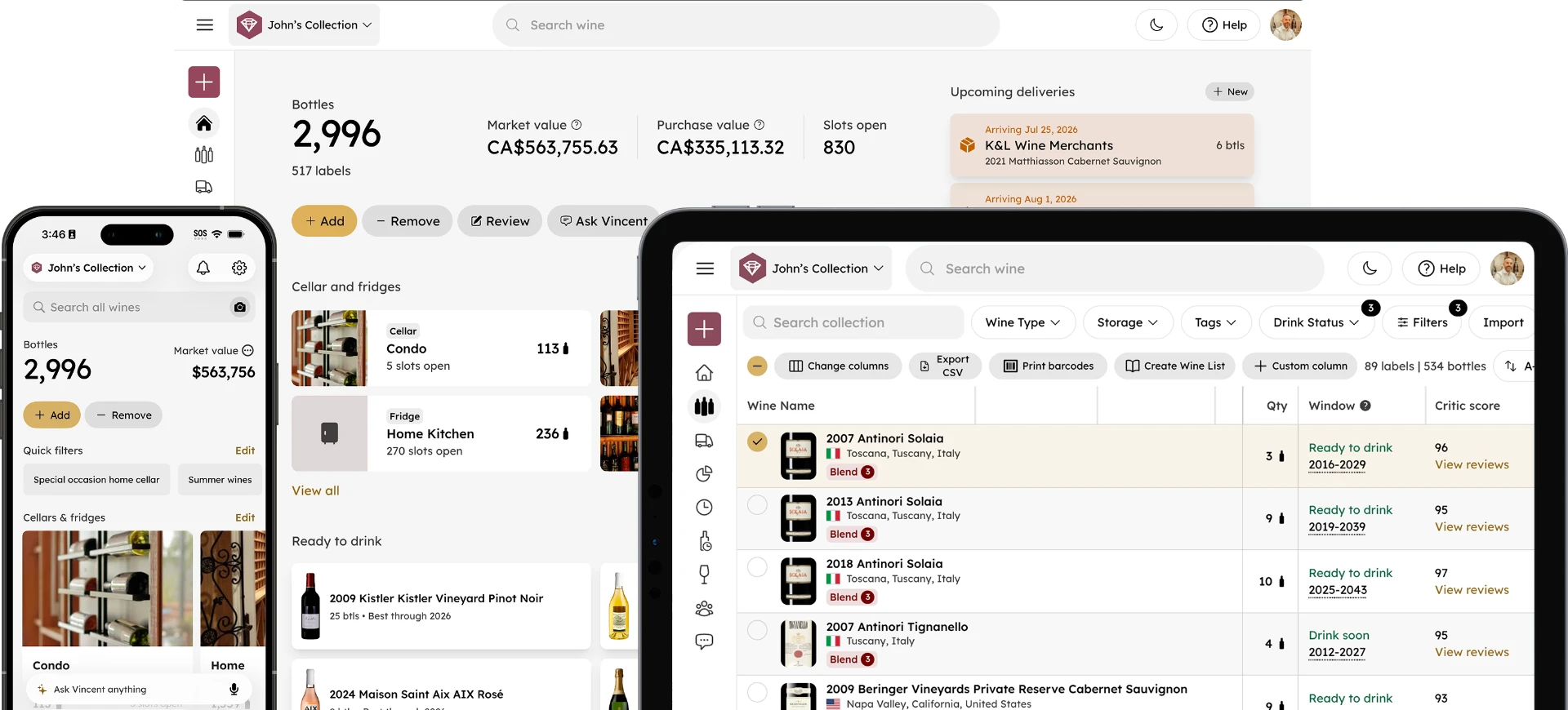
Collectors often develop sentimental attachments or may make impulse purchases, making structured cellar goals even more essential. For collectors, using a system like made by collectors, for collectors, can make it easier to set clear goals, avoid overbuying, and enjoy a growing cellar without chaos. Wine cellar management and wine inventory tracking are no longer just about keeping count, they’re about building a collection that matches your unique goals.
Why More Bottles Can Create More Noise (and Missed Opportunities)
A growing cellar might feel like a sign of success, but without structure, it quickly leads to confusion. Manual inventory tracking is more susceptible to errors, increasing the chances of misplaced bottles or missing the optimal drinking window (read more about graduating from spreadsheets to a wine app for bottle tracking here). Overbuying specific vintages can also create an excess of stock that may not be enjoyed at its best (decanter.com).
Running out of space leads to improper storage conditions that risk spoilage.
More bottles without a plan often mean more missed opportunities and wasted wine.
Using a free wine inventory app like InVintory helps collectors avoid these pitfalls by offering tools for preventing wine overbuying and improving wine collection organization.
Defining Your “Keep”, “Gift”, “Sell”, and “Replace” Goals
It’s easy to get swept up in the excitement of adding new bottles to your cellar. However, experienced collectors know the value of planning and categorizing their wines from the start. As one expert notes, "If one collects long enough, one will end up with Burgundy and the great German Rieslings, enjoying wines with significant age" (decanter.com). These evolving tastes highlight the importance of setting clear goals for your collection.
- Keep: Wines you want for personal enjoyment or aging.
- Gift: Bottles set aside for sharing with friends or family.
- Sell: Wines to move on, often due to changing preferences, increased value, or as a smart way to reinvest in your cellar.
- Replace: Bottles to replenish based on consumption or spoilage.
Knowing your collection’s value is crucial for making these decisions wisely. For more on documenting for insurance, see Insurance for Collectors: Exporting Audit-Ready Wine Inventories.
Wine cellar goal setting and thoughtful wine bottle categorization are foundational to a curated, satisfying collection.
Build Lists You’ll Actually Use (and Keep Them Short)
Transitioning from spreadsheets to dedicated wine cellar inventory apps is quickly becoming the standard for serious collectors. These digital solutions streamline tracking, minimize errors, and unlock features that manual records simply can’t provide (invintory.com/blog/from-spreadsheet-to-wine-app-why-collectors-upgrade-their-tracking).
Here’s how to build lists that work:
- Start Simple: Focus on just a handful of categories, like keep, gift, sell, replace.
- Stay Consistent: Update your lists as bottles move in or out of your cellar.
- Use Tags: Assign tags for status, occasions, or anything you want to filter later (for example: “Gift,” “Dinner Party,” or “Do Not Touch”).
- Review Regularly: Check your lists monthly to keep them relevant.
- Go Digital: A free wine inventory app like InVintory can streamline this process, saving time and reducing mistakes. If you need extra flexibility beyond the standard bottle details, some apps also support custom fields for collector-specific info.
Wine collection audit becomes much easier with digital tools, helping you keep your lists both actionable and manageable.
Tagging and Categorization: Templates and Ideas for Every Collector
A well-organized cellar is built on clear tags and categories. Collectors often label bottles as "Ready to Drink," "Aging," "For Sale," or "Gift,” making it easy to locate and act on each bottle’s purpose.
Consider tags for grape variety, region, or drink-by date to tailor organization for your specific needs.
Adopting structured list management and digital tools isn’t just for large cellars. As we’ve put it, "Digital solutions benefit small collections too—bringing structure and security to every level of wine enthusiast" (read more here).
Wine bottle categorization and thoughtful tagging are not just about organization; they let collectors quickly filter for "drink window" or "ready to drink" status. For more on using AI to prioritize bottles, see AI Wine Assistant: How Smart Apps Build Your “Open Tonight” List.
These wine cellar organization tips keep your system flexible and personal.
Buying Rules That Prevent Overbuying (and Regret)
Overbuying can quickly fill your cellar with bottles you’ll never drink at their best. Experts warn that buying too many of a single vintage often leads to excess stock that goes past its prime (decanter.com).
Consider adopting “one in, one out” or limiting purchases to what you can realistically track and consume. This reduces waste, financial strain, and the risk of missing ideal drinking windows.
Regular audits with digital tools support this strategy.
For a look at how collectors are switching from spreadsheets to smarter solutions, visit Spreadsheet vs Wine App: Why Collectors Are Switching in 2025.
Preventing wine overbuying and leveraging wine collection management software keeps your cellar balanced and purposeful.
Monthly Reset: Keep Your Cellar (and Lists) Current
Regular reviews are essential to prevent spoilage and keep your collection aligned with your goals. Monthly inventory audits help collectors know what’s ready to drink, what should be sold or gifted, and what needs replacing. For more on the cost of mismanaging a cellar, check out this blog post.
With digital tracking, reminders, and audit tools, a routine reset becomes both simple and effective.
Regular resets benefit all collectors, whether they’re managing a home cellar, a restaurant wine list, or a serious investment portfolio.
For more on tracking your cellar’s value over time, see How to Track Your Wine Collection’s Value Automatically.
Keeping up with your wine collection audit and embracing wine cellar management means no bottle gets lost or forgotten.
The Payoff: From Chaos to Clarity in Your Wine Cellar
Adopting structured list management and digital tools isn’t just for large cellars. As we’ve put it, "Digital solutions benefit small collections too—bringing structure and security to every level of wine enthusiast.”
An organized cellar also means better documentation for insurance, easier compliance, and confidence that bottles are secure.
Wine cellar management and wine inventory tracking bring peace of mind, reduce waste, and help collectors enjoy their bottles at their best—transforming cellar chaos into clarity.
References
- InVintory. (2024). From Spreadsheet to Wine App: Why Collectors Upgrade Their Tracking. https://invintory.com/blog/from-spreadsheet-to-wine-app-why-collectors-upgrade-their-tracking
- Decanter. (2024). Wine Cellar Advice for Collectors. https://www.decanter.com/learn/wine-cellar-advice-for-collectors-425970
- WiFi Talents. (2024). Digital Transformation in the Wine Industry: Statistics. https://wifitalents.com/digital-transformation-in-the-wine-industry-statistics
- InVintory. (2024). The Real Cost of Mismanaging a Wine Cellar (and How Apps Prevent It). https://invintory.com/blog/the-real-cost-of-mismanaging-a-wine-cellar-and-how-apps-prevent-it
- InVintory. (2024). Insurance for Collectors: Exporting Audit-Ready Wine Inventories. https://invintory.com/blog/insurance-for-collectors-exporting-audit-ready-wine-inventories
- InVintory. (2024). AI Wine Assistant: How Smart Apps Build Your “Open Tonight” List. https://invintory.com/blog/ai-wine-assistant-how-smart-apps-build-your-open-tonight-list