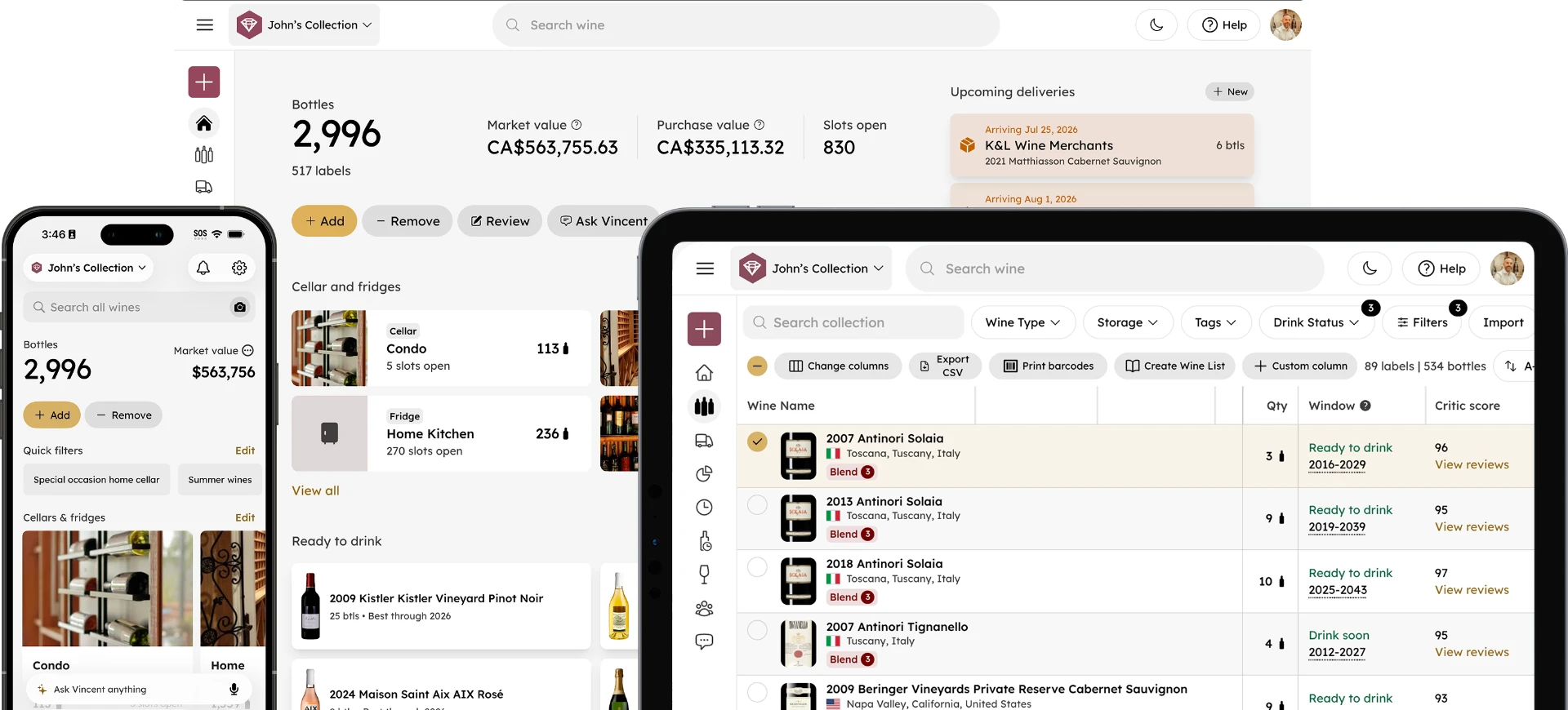
Drink Window Tuning: When to Edit Windows and How to Keep Your Queue Accurate
Paul Michael
April 29, 2026 · 3 min read
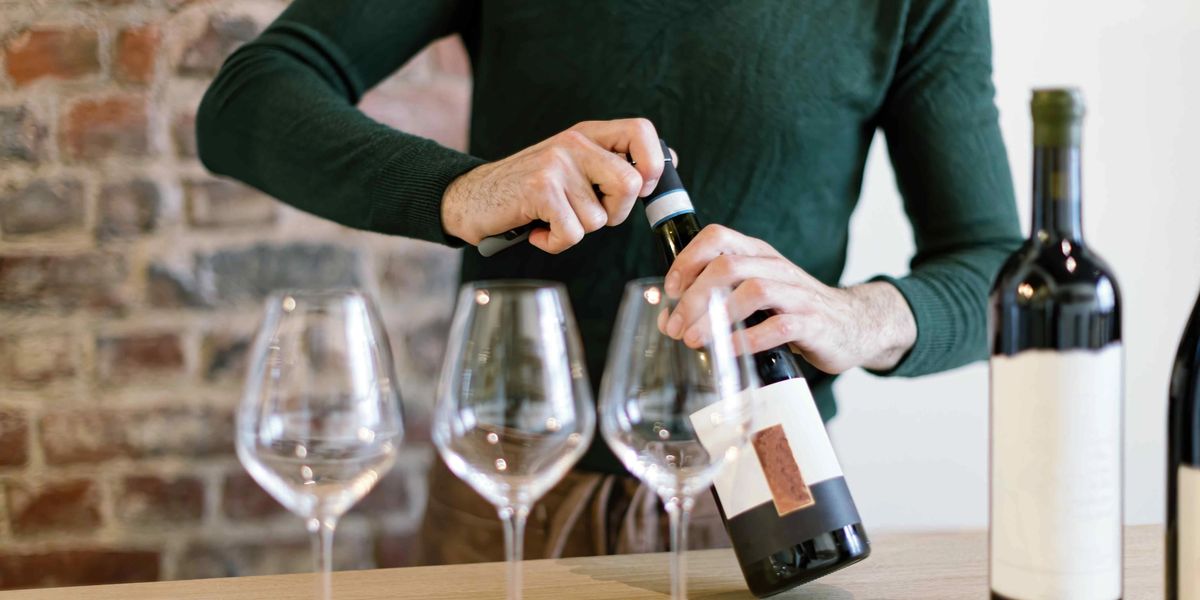
For wine collectors and enthusiasts, timing is everything. Enjoying a bottle at its peak relies on understanding the drink window, or the period when a wine tends to show its best qualities. Missed drink windows can lead to wasted bottles and lost value.
With modern tools like InVintory (made by collectors, for collectors), tracking and managing your cellar is easier than ever. InVintory combines a sommelier-managed database with market-price valuation, and it’s rated 4.8 stars on the iOS App Store. The goal is simple: keep your collection organized and make “what should I open next?” a lot easier to answer.
What Drink Windows Are, And What They Are Not
A drink window is a guideline, not a fixed rule. It estimates the period during which a wine is likely to offer the best balance of flavor, aroma, and texture. Storage conditions such as temperature fluctuations, humidity, and light exposure directly affect whether a wine’s drink window shortens or extends.
Determined by factors like grape variety, tannin levels, acidity, and winemaking techniques, drink windows help collectors maximize enjoyment and avoid disappointment. Drink windows are generally recommended by winemakers, sommeliers, and wine critics who base their guidance on tasting notes and historical bottle data.
A drink window is an estimate, not a deadline. Personal taste and storage matter.
While experts and digital tools can offer recommendations, the reality is more nuanced. Your preferences, your cellar conditions, and even your patience all play a role. This is why using a free wine inventory app can simplify the process, helping you track these variables and make informed decisions.
When Editing Makes Sense: Common Triggers
It’s a common question among collectors: When should you update or adjust a wine’s drink window? The answer lies in a few critical triggers. After a standout tasting, collectors might re-evaluate several bottles in their queue. Similarly, significant changes in storage conditions, such as a heatwave, can accelerate aging, prompting a review of drink windows.
Experts advocate for regular tastings to refine drink windows, as a wine’s development can surprise even seasoned collectors.
There aren’t hard statistics linking timely edits to spoilage reduction, but industry consensus is clear: wines not intended for long aging can deteriorate if left too long, leading to loss and disappointment (en.wikipedia.org).
AI-driven platforms now analyze both expert opinions and community feedback to further fine-tune recommended drink windows. This is why apps that enable dynamic tracking, like those described in Drink-Window Automation: How Apps Build and Maintain Your “Open Tonight” Queue, can help you stay ahead of the curve.
How to Tune Without Breaking Your System
Tuning your cellar’s drink windows doesn’t have to be daunting. Here’s a repeatable process to keep your timing and bottles accurate:
- Regularly review your collection: Set a cadence (e.g., monthly or quarterly) to check drink windows and flag bottles approaching their peak.
- Record tasting impressions: Every time you open a bottle, update your notes. These insights are invaluable for future edits.
- Monitor changes in storage conditions: If storage conditions change significantly, revisit drink windows and prioritize bottles you’d rather not risk.
- Leverage digital tools: Use a wine cellar software or a wine inventory app like InVintory to log changes and automate reminders.
- Document your rationale: Keep a brief log of why you edited a drink window; this makes your system more useful over time. This also simplifies future audits and avoids confusion among collaborators.
Pro Tip: Always document why you adjusted a drink window, so future decisions are easier.
It’s widely recognized that digital platforms now offer features like AI recommendations, real-time valuation, and interactive cellar visualization, which make dynamic management more accessible than ever (invintory.com).
Queue Hygiene: Keeping Your Rotation Accurate
Maintaining an accurate drinking queue is the key to maximizing your cellar’s value. Poor queue management can lead to missed opportunities; a single neglected bottle can mean a lost moment or diminished enjoyment.
Given that 90% of wines are meant to be enjoyed within a year, the importance of keeping your “open soon” list current can’t be overstated (en.wikipedia.org). Modern platforms also enable multi-user collaboration and easy export of restaurant-style lists, useful for both collectors and hospitality professionals.
Best practices include regularly updating your inventory, reviewing drink windows, and using technology to automate alerts. Trends indicate younger adults are increasingly interested in ready-to-drink wines and maintaining up-to-date cellars.
For more on how this impacts your collection’s value, see How to Track Your Wine Collection’s Value Automatically.
Taste-Based Tuning Using Notes
Personal tasting notes are a collector’s secret weapon for refining drink windows. While there’s no direct quote from a major critic available, experts agree: tasting notes provide crucial insights into a wine’s development and can signal when a bottle is entering its optimal period.
Personal notes can reveal readiness cues that generic drink windows might miss. Subtle differences in vintage or producer can make two otherwise similar bottles ready at different times.
Digital tools, like those described in AI Wine Assistant: How Smart Apps Build Your “Ready to Drink” List, make it easier than ever to log impressions and adjust your cellar accordingly.
Conclusion: Confident Cellar Management in Action
Proactive drink window tuning and regular queue reviews empower collectors to enjoy every bottle at its best. With simple routines and the right software, you’ll avoid wasted wine and maximize the value of your collection.
With regular review and the right tools, collectors can enjoy every bottle at its peak. Ready to take charge? Try InVintory, a wine inventory app, for free to see the difference for yourself.
References
- Aging of wine. (n.d.). Wikipedia. https://en.wikipedia.org/wiki/Aging_of_wine
- Best Wine Apps in 2025: Top Tools for Collectors Compared. (2025, October). InVintory. https://invintory.com/blog/best-wine-apps-top-tools-for-collectors-compared
- CellarTracker App Reviews. (n.d.). Chrome Stats. https://chrome-stats.com/d/com.cellartracker.app/reviews
- Vivino App Insights. (n.d.). AnecdoteAI. https://www.anecdoteai.com/insights/vivino
- Wine Consumption Worldwide 2024. (2024). Statista. https://www.statista.com/topics/3123/wine-market/